
Technical Knowledge Base

Transformer Articles & Insights

Engineering guidelines, technical updates, and expert maintenance knowledge for industrial transformers.

Engineering Excellence

Industry Standards & Innovation

In-depth analysis of oil-cooled, dry-type, and special application power distribution units.

0%

Choosing the best China Dry Type Distribution Transformer requires more than comparing prices or catalog photographs. The right unit must match the project’s voltage, capacity, installation space, cooling method, and maintenance plan. A 10 kV, 400 kVA transformer for a hospital has different priorities than one serving a dusty factory workshop. Safety, efficiency, noise, and service support all matter.

This guide examines transformer construction, insulation quality, temperature control, and factory reliability. Cast-resin windings can resist moisture and reduce fire risk in indoor installations. However, resin quality, curing control, and winding uniformity deserve careful verification. Look for documented temperature-rise tests, partial-discharge results, and compliance with relevant IEC or Chinese GB standards. Test reports should identify the actual model, not a similar product.

Small details often reveal engineering discipline. Check copper or aluminum conductor specifications, enclosure protection, cooling fans, tap settings, and terminal markings. Ask how the manufacturer handles factory acceptance testing and replacement parts. A credible supplier should provide traceable records and practical technical support after delivery. No model is perfect. Even a well-designed transformer may perform poorly when ventilation is restricted or loads change sharply. My judgment should remain cautious because published data cannot replace an on-site assessment. The best choice is therefore not simply the cheapest China-made unit. It is the transformer that delivers verified performance, safe operation, predictable maintenance, and dependable support throughout its service life.
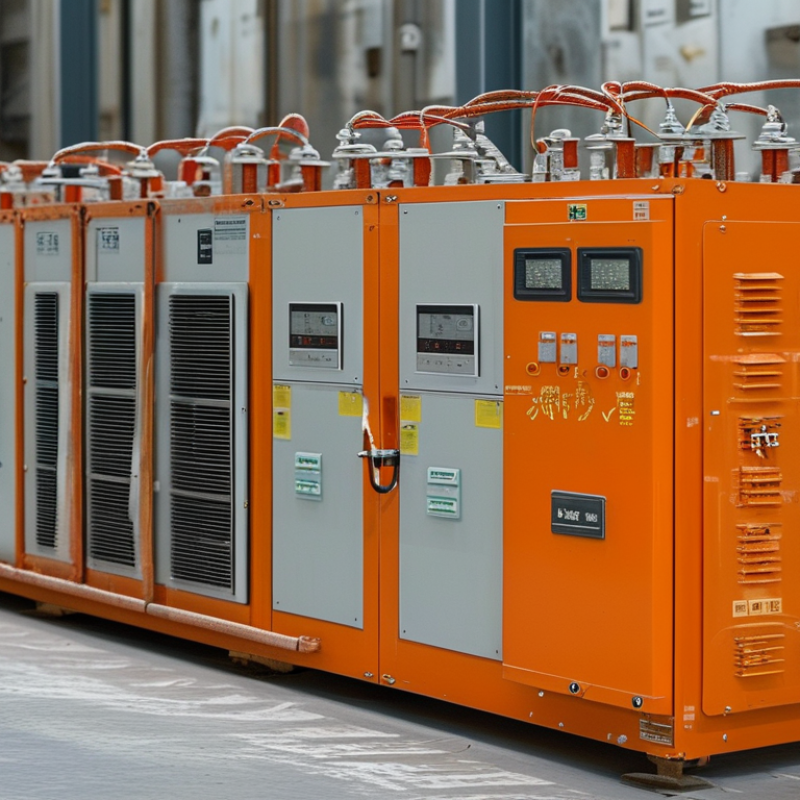
What Is the Best China Dry Type Distribution Transformer?

China Dry Type Distribution Transformers: Definition and Core Functions

What Is the Best China Dry Type Distribution Transformer?

China dry type distribution transformers are static electrical devices that transfer power between voltage levels without liquid insulation. Their windings use air and solid insulation materials, reducing leakage risks in buildings, factories, tunnels, and renewable energy facilities. Common designs include cast-resin and vacuum-pressure-impregnated units.

The core function is reliable voltage conversion near the load. A transformer may reduce medium voltage to 400 V for industrial equipment or commercial lighting. It also limits energy losses through optimized magnetic cores and windings. The International Energy Agency’s Electricity 2024 report projects global electricity demand to grow by about 3.4% annually through 2026. That pressure makes efficient distribution equipment more important.

Selection requires more than comparing rated capacity. Engineers should check load profile, ambient temperature, altitude, noise limits, insulation class, and short-circuit strength. IEC 60076-11 provides key requirements for dry-type transformers, including insulation and temperature performance.

In practical inspections, loose connections and blocked ventilation often cause avoidable overheating. Small details matter.

A 1,000 kVA unit may suit a compact factory, but not every site. Harmonic-producing loads can increase winding temperature. This point is often underestimated. Independent test reports, documented loss values, and traceable factory quality controls improve confidence. The best China-made transformer is therefore the one that matches the electrical system, installation conditions, and maintenance plan—not simply the lowest quotation.

Main Types and Structural Features of China-Made Dry Type Transformers

What Is the Best China Dry Type Distribution Transformer?

Main Types and Structural Features of China-Made Dry Type Transformers

China-made dry type transformers generally use cast-resin, vacuum-pressure-impregnated, or open-wound construction. Cast-resin units seal windings in epoxy insulation. They resist moisture, dust, and surface tracking. VPI designs use vacuum pressure to distribute varnish through the insulation layers. They can offer easier maintenance and competitive pricing. Open-wound units suit cleaner indoor environments. They usually require stronger protection from humidity and pollution.

The core normally uses grain-oriented silicon steel, with carefully stacked laminations to reduce no-load losses and noise. Copper or aluminum windings surround the core. Sensors monitor winding temperature. Fans can provide forced-air cooling when the load increases. Enclosures commonly include ventilation openings, cable terminals, lifting lugs, and grounding points. IEC 60076-11 provides the main international framework for dry-type transformer design and testing. Selection should also consider altitude, ambient temperature, short-circuit strength, and fire-safety requirements.

The International Energy Agency’s Electricity 2024 report expects global electricity demand to grow by more than 2.5% annually through 2026. This growth increases demand for compact distribution equipment in buildings, factories, renewable-energy sites, and transport infrastructure. A 2024 MarketsandMarkets industry estimate also projects steady expansion in the global dry-type transformer market. Forecasts differ between research firms. That matters. Buyers should verify tested losses, temperature-rise results, partial-discharge data, and factory quality records, rather than trusting price alone. In practice, even a well-designed transformer can underperform if ventilation or installation spacing is overlooked.

What Is the Best China Dry Type Distribution Transformer? - Main Types and Structural Features of China-Made Dry Type Transformers

Transformer Type Core Structural Features Insulation System Cooling Method Typical Application Range Main Advantages Important Selection Considerations
Cast-Resin Dry-Type Transformer Windings are encapsulated in epoxy resin; the core is commonly made from laminated electrical steel with separate high-voltage and low-voltage windings. Solid epoxy resin insulation around the windings, with air insulation between major assemblies. AN or AF: natural air cooling, with optional forced-air fans. Indoor substations, commercial buildings, factories, hospitals, data centers, and high-rise buildings. Good moisture resistance, low fire risk compared with oil-filled units, strong mechanical protection, and relatively low maintenance. Check resin quality, partial-discharge performance, temperature-rise limits, enclosure protection, and site ventilation.
VPI Dry-Type Transformer Coils are wound, dried, and impregnated under vacuum and pressure; the windings generally remain visible rather than fully encapsulated. Vacuum-pressure-impregnated varnish and layered insulation materials, typically based on heat-resistant electrical insulation systems. AN or AF, depending on the required continuous and short-term loading capacity. Industrial distribution, motor loads, infrastructure projects, marine-related installations, and locations requiring strong thermal cycling performance. Good heat dissipation, lower weight in some designs, repairable windings, and suitability for demanding load cycles. Evaluate humidity protection, impregnation uniformity, winding bracing, acoustic noise, and resistance to dust or corrosive environments.
Open-Wound Dry-Type Transformer Windings are insulated with solid materials and treated with varnish, but are not completely surrounded by a molded resin body. Layered electrical insulation with varnish or resin treatment and air clearances between components. Usually AN; AF operation may be available in selected designs. General indoor power distribution, equipment rooms, lighting systems, and installations with controlled environmental conditions. Simple construction, effective natural cooling, accessible inspection, and potentially lower initial cost. It requires a clean, dry, and adequately ventilated location; dust, moisture, chemicals, and condensation must be controlled.
Low-Loss Dry-Type Transformer Uses optimized magnetic-circuit design, high-quality laminated core steel, suitable conductor geometry, and reduced stray-loss arrangements. May use cast-resin, VPI, or another dry insulation system; energy performance depends on the complete design. AN or AF, selected according to rating, load profile, and permissible temperature rise. Commercial facilities, renewable-energy facilities, industrial plants, and networks with high annual operating hours. Lower no-load and load losses can reduce lifetime energy consumption and operating cost. Compare guaranteed losses, efficiency at the actual load profile, sound level, impedance, and total cost of ownership rather than purchase price alone.
High-Temperature Dry-Type Transformer Designed with heat-resistant winding insulation, reinforced conductor insulation, and a thermal structure suitable for elevated operating temperatures. Heat-resistant solid insulation selected according to the specified insulation and temperature class. AN or AF; forced-air cooling can increase available capacity when permitted by the design. Industrial plants, traction-related auxiliary systems, high ambient-temperature areas, and applications with frequent load changes. Improved thermal endurance and better tolerance of demanding duty cycles when correctly specified. Confirm ambient temperature, altitude derating, overload duration, cooling-fan control, and insulation temperature limits.

Key Technical Parameters for Comparing Dry-Type Distribution Transformers

Parameter Common Specification or Design Range Why It Matters
Rated Capacity Common distribution ratings range from tens of kVA to several MVA, subject to the project design. The selected rating must cover the calculated demand, motor starting requirements, harmonics, future expansion, and permissible overload.
Voltage Ratio Common medium-voltage primary systems include 6 kV, 10 kV, and 20 kV; low-voltage secondary systems are often 400 V or 415 V, depending on the local grid. The primary and secondary voltages must match the utility network and the downstream electrical system.
Frequency Usually 50 Hz or 60 Hz, according to the destination power system. Frequency affects magnetic flux, no-load current, losses, and compatibility with the connected network.
Vector Group Common arrangements include Dyn11, but the correct group depends on system grounding, phase displacement, and parallel-operation requirements. Incorrect vector-group selection can prevent safe paralleling and may create unwanted circulating current.
Insulation Level Specified by the applicable standard and system voltage, including power-frequency withstand and lightning impulse withstand where required. It indicates the transformer's ability to withstand temporary and transient overvoltages.
Protection Enclosure Indoor enclosures are commonly selected from IP20 upward; the required rating depends on touch protection, dust, water, and site conditions. A suitable enclosure protects people and windings without unnecessarily restricting cooling airflow.
Applicable Standards IEC 60076-11 and GB/T 1094.11 are commonly referenced for dry-type power transformers; project specifications may also require additional tests. Standards define essential requirements for design, routine tests, type tests, insulation, temperature rise, and performance verification.
Conductor Material Copper or aluminum windings may be used, depending on electrical, mechanical, thermal, and cost requirements. Material affects resistance, losses, dimensions, joint design, weight, and long-term thermal performance.

Key Performance Standards and Technical Selection Criteria

What Is the Best China Dry Type Distribution Transformer?

The best dry type distribution transformer is not defined by origin alone. It must match the installation, load profile, and applicable performance standards. IEC 60076-11 is a key reference for dry type transformers, while regional projects may require additional national or utility standards. Check certification documents, test records, and factory quality controls before approval.

Technical selection starts with rated power, primary and secondary voltage, frequency, phase arrangement, and impedance. A transformer serving office lighting has different needs from one supplying variable-speed drives. Review no-load and load losses carefully. Lower losses can reduce operating costs, but they may increase purchase price. That trade-off needs real load data. Do not rely only on the nameplate.

Temperature rise, insulation class, cooling method, and enclosure rating also matter. Natural air cooling may suit an indoor electrical room, while forced air cooling can support short periods of higher demand. In dusty or humid locations, specify suitable protection and ventilation. Consider harmonic currents from rectifiers, computers, and drives. They can create extra heating. Acoustic limits may also be important near occupied areas.

Ask for routine test results, including winding resistance, ratio accuracy, insulation performance, and partial discharge where applicable. Short-circuit withstand capability deserves close attention. A weak specification may overlook altitude correction or ambient temperature. That is a practical mistake. Site measurements and future load growth should guide the final rating, even when the initial calculation appears complete.

Comparison of Leading Manufacturing and Application Options

What Is the Best China Dry Type Distribution Transformer?

Comparison of Leading Manufacturing and Application Options

The best China dry type distribution transformer depends on site conditions, load behavior, and maintenance capacity. Factory quality matters more than country of origin alone. Experienced buyers compare production methods, testing records, and service response before choosing equipment.

Cast resin transformers suit humid rooms, hospitals, commercial buildings, and coastal facilities. Their sealed windings resist moisture and dust. Vacuum pressure impregnated units can offer strong thermal performance and easier inspection. However, surface protection must match the installation environment. That detail is sometimes overlooked. Copper windings usually provide excellent conductivity, while aluminum windings can reduce initial cost and weight. Engineers should compare losses, temperature rise, and long-term operating costs.

Application planning changes the answer. A solar plant may need frequent load variation and reinforced cooling. A high-rise building may prioritize low noise and fire safety. Industrial sites often require stronger insulation against dust, vibration, and harmonic currents. Check rated power, voltage ratio, impedance, cooling mode, and enclosure rating. Require routine and type test evidence, including partial discharge and temperature-rise results. Factory audits can reveal winding cleanliness, resin curing controls, and traceability. One practical lesson is simple: impressive brochures do not replace verified data. A careful specification may still miss future expansion, so leaving reasonable capacity can prevent an expensive replacement.

How to Select the Best China Dry Type Distribution Transformer

What Is the Best China Dry Type Distribution Transformer?

How to select the best China dry type distribution transformer depends on site conditions, not price alone. The International Energy Agency’s Electricity 2024 report forecasts global electricity demand to grow by about 4% annually through 2026. Reliable distribution equipment is becoming more important.

Start with the real load profile. Confirm kVA capacity, voltage ratio, frequency, impedance, vector group, altitude, ambient temperature, and harmonic content. A transformer sized only for today’s peak may become inefficient after expansion.

Consider cast-resin or VPI construction according to moisture, dust, fire-risk, and maintenance conditions. Request compliance with IEC 60076-11 and applicable Chinese GB/T requirements.

Review routine-test records, type-test evidence, temperature-rise data, partial-discharge results, and guaranteed no-load and load losses. The U.S. Department of Energy’s 2024 distribution transformer rule estimates 3.6 quadrillion Btu in lifetime energy savings, showing why efficiency deserves serious attention.

Tips: Compare total ownership cost, not only the quotation. Ask for loss calculations at your actual loading level. Verify the test report against the delivered unit. Check noise, ventilation clearance, spare parts, warranty response, and installation support. No specification sheet replaces a site inspection.

The perfect transformer does not exist. A lower-cost unit may still create higher cooling, energy, or downtime costs. I would also question unusually low loss figures without independent verification. A practical selection balances efficiency, safety, environmental protection, serviceability, and documented manufacturing quality.

FAQS

What is a dry type distribution transformer?

It transfers electricity between voltage levels without liquid insulation. Air and solid materials insulate its windings.

Where are dry type transformers commonly used?

They serve factories, commercial buildings, hospitals, tunnels, renewable energy facilities, and high-rise properties.

How does a transformer support electrical distribution?

It reduces medium voltage to usable levels, such as 400 V, near equipment or lighting loads.

Should buyers choose the lowest quotation?

Not usually. Compare efficiency, test records, service response, installation conditions, and long-term operating costs.

What details should engineers check before selecting a unit?

Review rated power, voltage ratio, load behavior, temperature, altitude, noise, insulation class, and short-circuit strength.

Which winding material is better, copper or aluminum?

Copper offers excellent conductivity. Aluminum may reduce initial cost and weight. Losses and lifetime costs still need comparison.

How do cast-resin and vacuum-pressure-impregnated designs differ?

Cast-resin units resist moisture and dust well. Vacuum-pressure-impregnated units can provide strong cooling and simpler inspection.

What problems can cause overheating?

Loose connections, blocked ventilation, harmonics, and heavy loading can raise winding temperatures. Small faults matter.

What testing evidence should buyers request?

Request temperature-rise, partial-discharge, routine-test, and type-test records. Traceable factory controls add confidence.

How much spare capacity should a project include?

Leave reasonable capacity for future expansion. A tight specification may create an expensive replacement later. Planning is imperfect.

Conclusion

A Dry Type Distribution Transformer is an essential electrical device that transfers and distributes power without using liquid insulation oil. China-made models are widely designed for safe, efficient, and reliable operation in commercial buildings, industrial facilities, renewable energy systems, and public infrastructure. Their core functions include voltage conversion, electrical isolation, energy distribution, and protection against operational risks. Common types include cast-resin and air-insulated transformers, each offering distinct structural features, cooling methods, insulation systems, and environmental advantages.

Choosing the best China Dry Type Distribution Transformer requires careful evaluation of rated capacity, voltage ratio, frequency, insulation level, temperature rise, short-circuit resistance, noise, energy efficiency, and applicable international standards. Buyers should also consider installation conditions, ventilation, altitude, humidity, maintenance requirements, service life, delivery capability, and technical support. Comparing different manufacturing and application options helps users balance safety, performance, operating cost, customization, and long-term reliability. The most suitable transformer is one that matches the electrical load, site environment, compliance requirements, and future expansion plans.

Oliver

Oliver

Oliver is a professional marketing specialist dedicated to helping businesses understand how thoughtful products and reliable services can create lasting value. With extensive knowledge of the company’s solutions, he combines market insight, customer research, and clear communication to explain......