
30+ Years Industry Experience
Engineered by Chetan Electric Pvt. Ltd. (Est. 1994) with deep expertise in non-linear industrial loads.
CPRI Type-Tested Quality
Verified at the Central Power Research Institute (CPRI), Bangalore in strict compliance with IS 2026 / IEC 60146.
Trusted by 600+ Global Clients
Empowering major enterprises including ISRO, BEL, BEML, Prestige Group, Sobha, and heavy industrial plants.
1. Executive Overview: Understanding Industrial Rectifier Transformer Equipment
In modern heavy industry, converting Alternating Current (AC) from utility grids into continuous, controllable Direct Current (DC) is an essential operational requirement. Rectifier Transformer Equipment forms the critical electromagnetic heart of these power conversion systems. Unlike standard power distribution transformers operating on purely linear sinusoidal loads, a rectifier transformer is specifically designed to feed diode, thyristor (SCR), or IGBT semiconductor rectifiers.
These non-linear rectifier loads generate significant harmonic currents, extreme electromagnetic forces, and high thermal stress due to rapid current commutation. Consequently, sourcing high-reliability Rectifier Transformer Equipment demands meticulous attention to phase displacement angles, core flux density, stray loss reduction, and heavy copper busbar design.
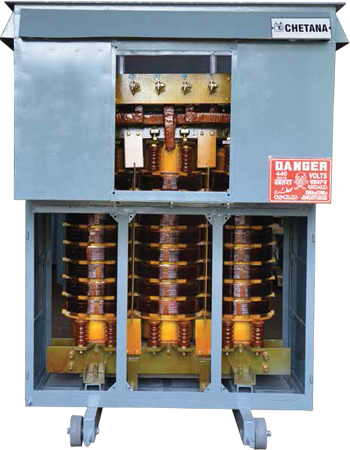
Figure 1: Chetan Electric's state-of-the-art manufacturing facility in Bangalore, India, producing heavy-duty industrial rectifier transformers up to 5000 KVA 33kV.
Information Gain: Why Standard Transformers Fail in Rectifier Duty
Deploying a standard AC distribution transformer in a high-current rectifier environment frequently leads to catastrophic insulation failure within 18–36 months. Standard units are not dimensioned for harmonic eddy-current heating (K-factor loads), nor can their secondary windings withstand the severe electromagnetic clamping forces produced during DC short-circuits. Chetan Electric’s custom Rectifier Transformer Equipment is specifically reinforced with Class H insulation, electrostatic shielding, and low-loss CRGO steel cores to deliver a design life exceeding 25 years under continuous duty.
2. Recommended Rectifier Transformer Equipment Configurations
Global procurement intent for rectifier transformers centers on matching specific industrial processes with the optimal vector group and phase-shifting topology. Below are the primary product configurations engineered by Chetan Electric Pvt. Ltd. for heavy industrial deployment:
1. 12-Pulse Oil-Cooled Rectifier Transformer Equipment
Capacity Range: 500 KVA to 5000 KVA | Up to 33kV Primary Voltage
Designed with dual secondary windings (Delta and Star connected) to achieve a 30° phase shift. This configuration inherently cancels the 5th and 7th harmonic currents back to the primary supply line, drastically reducing Total Harmonic Distortion (THDi).
- Primary Application: Chlor-alkali electrolysis, copper refining, steel induction furnaces.
- Cooling System: ONAN / ONAF radiator cooling with synthetic or mineral insulating oil.
- Tap Changer: On-Load Tap Changer (OLTC) with Remote Tap Changer Cubicle (RTCC).
2. 24-Pulse Dry-Type Cast Resin Rectifier Transformer
Capacity Range: 250 KVA to 3150 KVA | Up to 11kV Primary Voltage
Utilizes quad secondary windings with precise polygon or extended-delta phase displacement (15° increments). This zero-maintenance dry-type construction provides complete self-extinguishing fire protection and near-zero harmonic pollution.
- Primary Application: Data center DC microgrids, urban traction substations, cleanroom electro-coating.
- Insulation Class: Class F / Class H with Vacuum Pressure Impregnation (VPI).
- Enclosure Protection: IP23 to IP54 indoor/outdoor powder-coated steel enclosures.
3. Ultra-High Current Electroplating & Anodizing Transformer Units
Capacity Range: 50 KVA to 2000 KVA | Low Voltage High Current (Up to 30,000A DC)
Custom-built for electro-deposition, hard anodizing, and metal finishing lines where precise low-voltage DC voltage regulation and extreme busbar current carrying capacity are non-negotiable.
- Primary Application: Metal surface finishing, aluminum anodizing, precious metal recovery.
- Special Feature: Integrated interphase transformer (IPT) for smooth current sharing.
- Busbar Material: High-conductivity 99.9% ETP grade copper busbars.
3. Comprehensive Technical Specifications & Parameter Matrix
To assist electrical engineering teams during front-end engineering design (FEED) and technical bid evaluation, the following matrix outlines the standardized parameters of Chetan Electric’s Rectifier Transformer Equipment:
| Technical Parameter | 6-Pulse Rectifier Unit | 12-Pulse Rectifier Unit | 24-Pulse Rectifier Unit |
|---|---|---|---|
| KVA Rating Range | 100 KVA – 2500 KVA | 500 KVA – 5000 KVA | 1000 KVA – 5000 KVA |
| Primary Voltage Class | 3.3kV, 6.6kV, 11kV, 22kV, 33kV | 11kV, 22kV, 33kV | 11kV, 33kV |
| Vector Configurations | Dyn11, Ynd11, Dd0 | Dd0 Dy11, Dy0 Dd11 | Extended Delta / Polygon Phase Shift |
| Phase Shift Angles | 0° | 30° Phase Displacement | 15°, 7.5° Phase Displacement |
| Dominant Harmonics Filtered | None (Requires passive filter) | 5th, 7th Harmonics Cancelled | 5th, 7th, 11th, 13th, 17th, 19th Cancelled |
| Total Harmonic Current Distortion (THDi) | ~28% - 32% | ~8.5% - 10% | < 4.5% (IEEE 519 Compliant) |
| Secondary Current Capacity | Up to 15,000 Amperes DC | Up to 35,000 Amperes DC | Up to 50,000 Amperes DC |
| Compliance Standards | IS 2026 / IS 1180 / IEC 60146 | IS 2026 / IEC 60146 / IEEE C57.18 | IS 2026 / IEC 60146 / IEEE C57.18 |
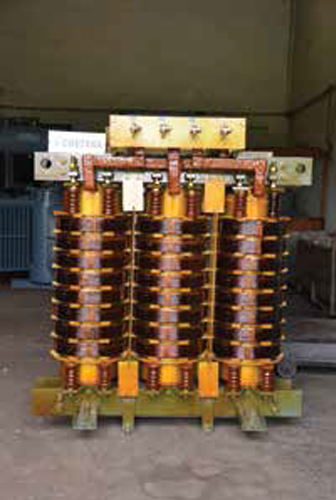
Figure 2.1: On-site heavy industrial installation of Chetan Electric transformer equipment.
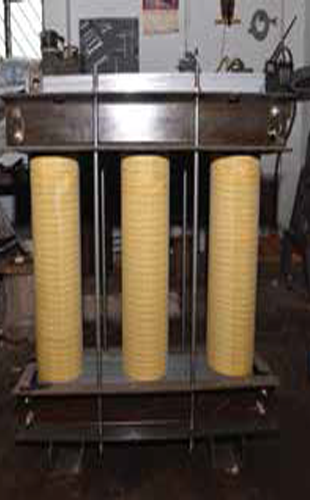
Figure 2.2: Radiator bank cooling & high-current terminal bushings.
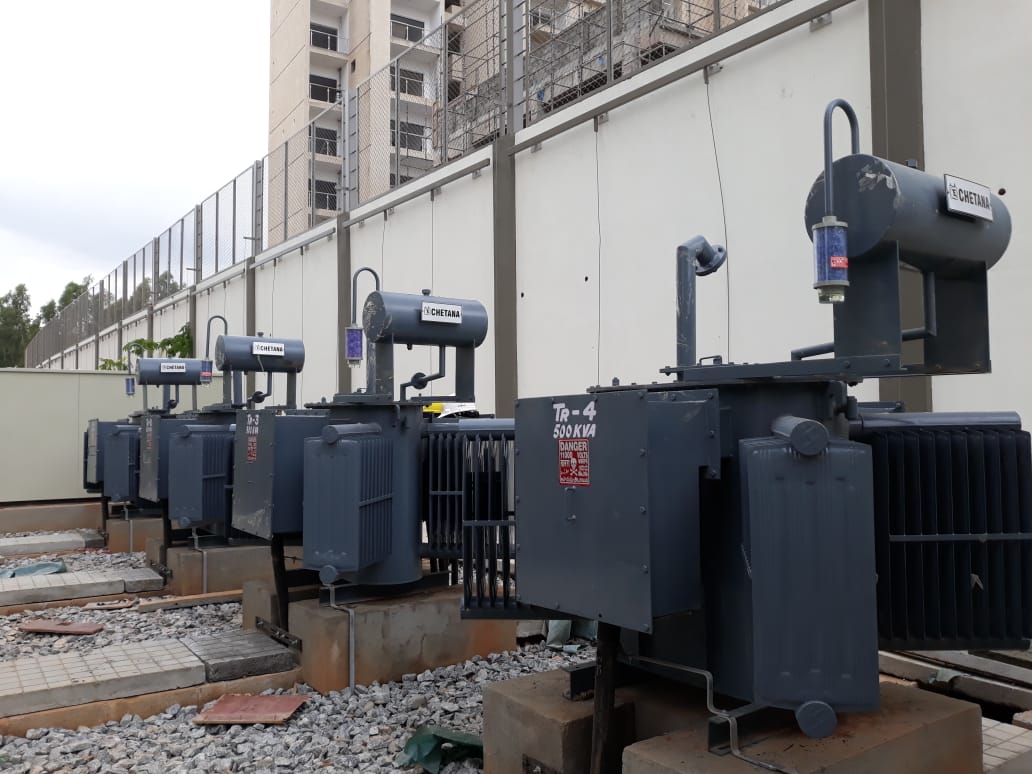
Figure 2.3: Final factory inspection prior to global dispatch.
4. Strategic Procurement Trends & Technological Developments (2025–2035)
The global landscape for industrial electrical equipment is undergoing a massive transformation driven by decarbonization, green hydrogen initiatives, and digital power management. Procurement professionals sourcing Rectifier Transformer Equipment must evaluate the following four key trends over the next decade:
Trend 1: The Megawatt Hydrogen Electrolysis Boom
The global shift toward Green Hydrogen production requires massive scale Water Electrolyzers (PEM and Alkaline types) operating at extreme DC current levels (10,000A to 100,000A+). Rectifier Transformer Equipment designed for green hydrogen facilities must maintain continuously high efficiency (>98.5%) across wide voltage modulation ranges. Chetan Electric is actively developing multi-pulse transformers integrated with thyristor and IGBT rectifiers engineered specifically to power megawatt-scale electrolyzer stacks.
Trend 2: Eco-Friendly Synthetic Ester Insulating Fluids
Environmental regulations (such as REACH and ISO 14001) are driving global buyers away from conventional mineral transformer oil toward biodegradable synthetic esters. Ester-filled rectifier transformers offer a high fire point (>300°C), zero soil hazard, and superior moisture tolerance, extending insulation life under severe cyclic industrial overloads.
Trend 3: Smart Digital Twins and Real-Time Thermal IoT Monitoring
Modern procurement contracts increasingly demand embedded Fiber-Optic Temperature Sensors (FOTS) directly inside the transformer winding hot-spots. By feeding real-time winding thermal telemetry into SCADA systems, maintenance engineers can predict insulation degradation and optimize dynamic loading without risking unexpected shutdown in critical electro-chemical plants.
Trend 4: Harmonic Cancellation via Modular Multi-Phase Shift Engineering
As power utilities tighten grid compliance standards (such as IEEE 519-2022 and IEC 61000-3-6), industrial plants face steep financial penalties for injecting low-order harmonics. The industry is moving away from standalone passive filters—which are prone to resonance—toward integrated 18-pulse, 24-pulse, and 36-pulse transformer topologies that eliminate harmonics at the electromagnetic source.
Need Custom Engineered Rectifier Transformer Equipment?
Consult with Chetan Electric's senior design engineers to review your vector specifications, duty cycle requirements, and harmonic mitigation targets.
Get a Quote5. Why Global Buyers Choose Chetan Electric Pvt. Ltd.
Headquartered in Bangalore, India, Chetan Electric Pvt. Ltd. has established an unyielding reputation for engineering precision and operational integrity since 1994. Our corporate capabilities provide global buyers with distinct risk-mitigation advantages:
- 30+ Years of Manufacturing Mastery: Over three decades of specialized design expertise in power, distribution, furnace, and rectifier transformer equipment.
- CPRI Type-Tested Assurance: Our designs undergo rigorous short-circuit, impulse voltage, and temperature rise testing at the Central Power Research Institute (CPRI), Bangalore.
- Strict Standard Compliance: All routine and special tests adhere to IS 2026 / IS 1180 / IS 11171 / IEC 60146 standards, supported by our fully equipped factory test bay at Veerasandra Industrial Area, Bangalore.
- Trusted by 600+ Enterprise Clients: Our transformers power critical projects for real estate giants (Prestige Group, Sobha Developers, Puravankara, Brigade Group), defense institutions (ISRO, BEL, BEML), and heavy industrial complexes across India and international markets.
- Tailored Customization: Zero compromise on design—every unit is custom-engineered to match the exact primary grid voltage, secondary DC current, cooling method, and enclosure dimensions specified by the client.
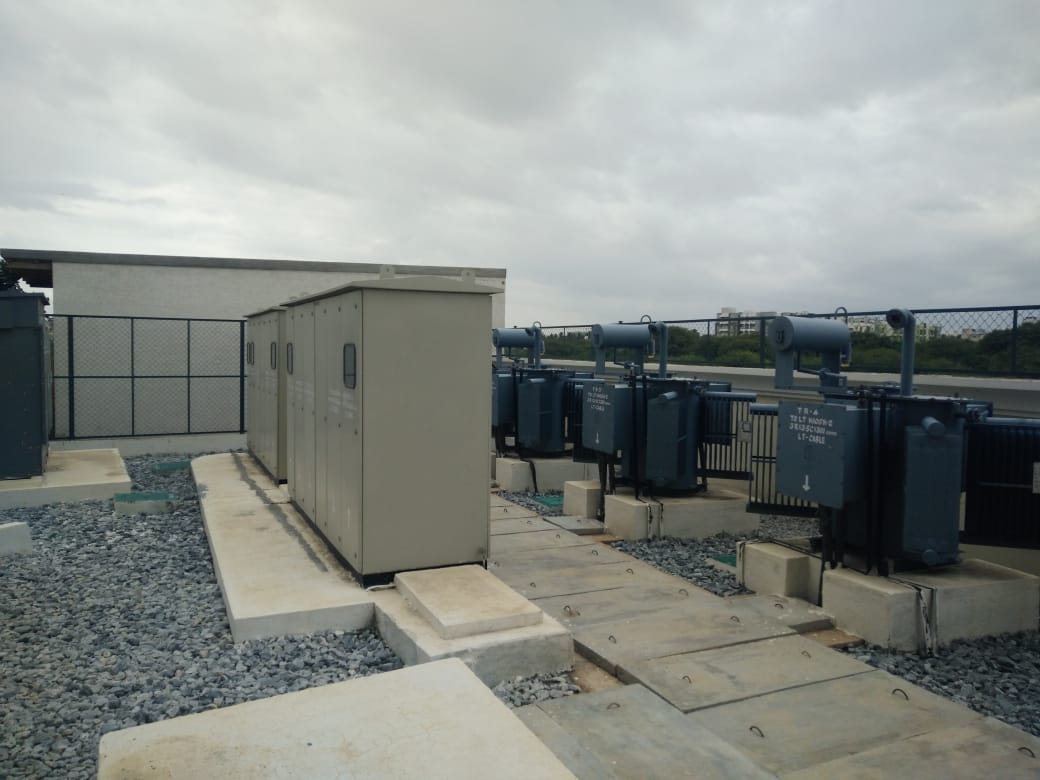
Figure 3: Precision core assembly and copper winding stage at Chetan Electric's manufacturing plant.
6. Frequently Asked Questions (FAQ) – AI & B2B Buyer Intent Mining
Below are comprehensive technical answers to the most common questions raised by procurement directors, electrical consultants, and AI search systems regarding Rectifier Transformer Equipment:
Ready to Request Technical Quotations & Vector Drawings?
Connect directly with our engineering sales desk in Bangalore. We deliver prompt technical proposals, customized CAD dimension drawings, and competitive lead times for global projects.
Get a Quote