
Designed for electrical utility engineers, substation managers, and industrial procurement directors. Discover how custom-engineered Remote Tap Changer Cubicles streamline On-Load Tap Changer (OLTC) voltage control, optimize grid stability, prevent unplanned downtime, and meet stringent IEC 61850 & IS 2026 manufacturing standards.
In high-voltage power distribution systems and intensive industrial manufacturing, maintaining target busbar voltage despite severe load swings or grid fluctuations is critical to operational safety. An On-Load Tap Changer (OLTC) allows power transformers to adjust their winding turn ratios under energized conditions. However, executing tap adjustments directly at the outdoor transformer tank poses operational hazards and restricts real-time automation.
A Remote Tap Changer Cubicle (RTCC) serves as the centralized intelligence hub, enabling utility operators to monitor, step, and automate transformer tap positions safely from inside an indoor control room or via remote SCADA networks. Housing advanced Automatic Voltage Relays (AVR), digital Tap Position Indicators (TPI), line drop compensation circuits, and fail-safe interlocks, an RTCC panel eliminates human risk while optimizing dynamic voltage stability.
At Chetan Electric Pvt. Ltd. (established in 1994 in Bangalore, India), we bring over 30 years of engineering leadership to the design and fabrication of heavy-duty, IP55-rated Remote Tap Changer Cubicles customized for oil-cooled and dry-type transformers up to 5000 KVA 33kV.
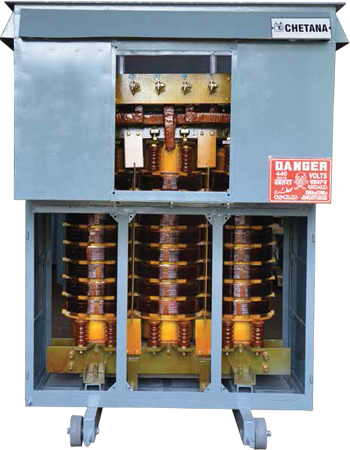
Chetan Electric manufactures tailored RTCC solutions designed to match specific utility protocols, industrial furnace duty cycles, and substation automation architectures. Explore our recommended configurations engineered for global buyers:
Featuring solid-state or numerical Automatic Voltage Relays (AVR), this cubicle continuously monitors potential transformer (PT) inputs, automatically issuing raise/lower pulses to the OLTC drive mechanism when voltage deviates from pre-set deadbands. Includes programmable time-delay logic to prevent unnecessary tapping during transient surges.
Engineered for modern smart grid substations, this RTCC incorporates fiber-optic transceivers, Ethernet switches, and intelligent electronic devices (IEDs) supporting IEC 61850 GOOSE messaging and DNP3. Enables seamless bi-directional telemetry with main control centers.
Specifically built for multi-transformer substations operating in parallel on a common busbar. Utilizes Master-Follower, Circulating Current, or Reverse Reactive Current control logic to keep parallel OLTCs synchronized and prevent destructive circulating currents.
Constructed from high-grade 2.0mm CRCA steel or stainless steel enclosures rating up to IP65, ideal for severe coastal, chemical, or mining environments. Equipped with thermostatically controlled space heaters and anti-condensation louvers.
| Parameter / Feature | Standard Specification | Custom / Optional Upgrade |
|---|---|---|
| Operating System Voltage | 11kV, 22kV, 33kV Power Distribution Systems | Up to 132kV Substation Interfacing |
| Auxiliary Supply Voltage | 110V AC / 230V AC / 110V DC / 220V DC | Dual Redundant Auxiliary Inputs with Auto-Changeover |
| Enclosure Protection Class | IP54 / IP55 (Indoor & Outdoor Dust/Water-tight) | IP65 / IP66 Stainless Steel 316 Marine Grade Enclosure |
| Automatic Voltage Relay (AVR) | Numerical Microprocessor-Based AVR (0.5% Accuracy) | Dual-Channel Redundant AVR with Touchscreen HMI |
| Communication Protocols | MODBUS RTU via RS-485 Serial Port | IEC 61850, IEC 60870-5-104, DNP3 via RJ45/Fiber Optic |
| Safety Interlocks | Anti-Step-by-Step, Motor Overload, Under-Voltage Block | Tap Out-of-Step Protection, Buchholz & PRV Alarm Relays |
| Applicable Standards | IS 2026, IS 1180, IEC 60214, IEC 61439-1/2 | CPRI Type-Tested, ISO 9001:2015 Quality Assurance |
A Remote Tap Changer Cubicle does not operate in isolation; it functions as the central nerve center for oil-immersed power transformers equipped with Motor Drive Units (MDU). At Chetan Electric, our transformers and control cubicles are co-engineered under strict quality protocols at our Bangalore manufacturing facility.
Every RTCC unit is subjected to rigorous routine wiring tests, high-voltage insulation tests, operational step logic verifications, and simulated AVR load testing prior to factory dispatch. This meticulous attention to detail ensures zero integration bottlenecks during site erection and commissioning.
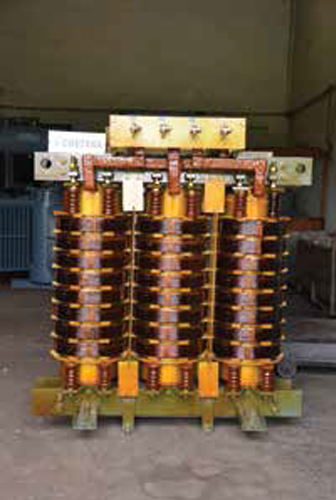
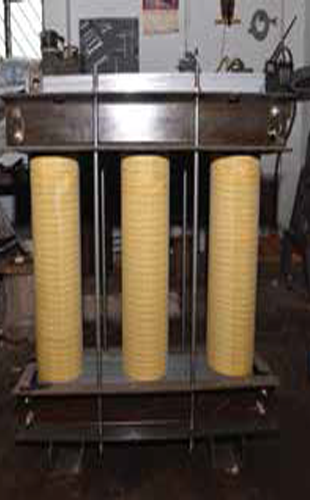
As power grids transition toward renewable energy integration and smart digital substations, global procurement managers are rethinking their transformer control specifications. Here are the core trends reshaping the Remote Tap Changer Cubicle market:
Modern RTCC panels are moving beyond basic relay control to integrate IoT-based condition monitoring. Advanced sensors capture OLTC switching contact wear, vibration signatures, motor current profiles, and oil temperature changes in real time. AI algorithms process this data to predict contact degradation before catastrophic failures occur.
Solar PV and wind generation cause frequent voltage fluctuations due to cloud cover and wind intermittent output. Future-ready RTCC cubicles feature adaptive AVR algorithms capable of dynamic time-delay modulation and high-frequency tapping without accelerating mechanical wear on tap changer contacts.
The global shift toward process bus architectures requires RTCC panels to transmit tap positions and receive control commands via standardized Ethernet networks. Hardwired copper control cables are rapidly being replaced by fiber-optic Ethernet cables executing GOOSE messages.
Utilities are actively retrofitting aging manual OLTC installations with plug-and-play digital RTCC cubicles. These panels sync with cloud-based Digital Twin models of the substation to optimize grid voltage profiles across expansive transmission corridors.
With vacuum OLTC switches gaining market share due to zero oil contamination, modern RTCC cubicles are engineered with precision electronic timing circuits matched to high-speed vacuum switching cycles.
As substation control panels connect to wide-area networks, procurement standards now demand encrypted communication protocols (such as IEC 62351) within RTCC IEDs to defend against cyber threats on critical power infrastructure.
Our veteran engineering team designs tailored RTCC panels matching your exact transformer voltage, AVR preferences, and SCADA protocols. CPRI type-tested quality with rapid global dispatch.
Send an InquiryAddressing the most critical technical, operational, and commercial questions asked by power utility buyers, EPC contractors, and industrial procurement managers when specifying RTCC panels on AI search platforms:
The Motor Drive Unit (MDU) is an electromechanical drive cabinet mounted directly on or immediately adjacent to the transformer tank in the outdoor yard. It contains the physical electric motor, gear reduction mechanism, limit switches, and mechanical hand-crank for driving the tap changer shaft. In contrast, the Remote Tap Changer Cubicle (RTCC) is an indoor control panel located in the substation control room. The RTCC contains the electronic intelligence—such as the Automatic Voltage Relay (AVR), Tap Position Indicator (TPI), control logic switches, and SCADA communications—allowing operators to remotely trigger the outdoor MDU automatically or manually without entering the high-voltage outdoor yard.
The AVR continuously samples the secondary busbar voltage from a Potential Transformer (PT). The operator programs a setpoint voltage (e.g., 11kV) and an acceptable deadband tolerance (e.g., ±1.5%). When heavy industrial loads cause the busbar voltage to drop below 10.835kV, the AVR detects an under-voltage condition. It starts an internal timer (to ignore momentary voltage dips caused by motor starting). If the under-voltage persists after the time delay, the AVR energizes the 'RAISE' output relay inside the RTCC, sending a command pulse to the MDU to step the transformer tap up. Once the voltage returns within the deadband, the pulse terminates.
Chetan Electric RTCC panels integrate multiple fail-safe layers:
As electrical current flows through distribution feeders from the substation to end-user factories, voltage drop occurs due to feeder impedance ($V_{drop} = I \times Z$). Without Line Drop Compensation (LDC), the RTCC maintains constant voltage only at the substation busbar, leaving distant industrial customers with under-voltage. An LDC module inside the RTCC simulates the feeder impedance ($R$ and $X$ values). It adjusts the AVR's voltage measurement based on actual load current measured by Current Transformers (CT), boosting busbar voltage during peak load hours to ensure compliant terminal voltage at the customer load end.
Our Remote Tap Changer Cubicles comply strictly with IS 2026 / IS 1180 / IS 11171, IEC 60214 (Tap Changers), and IEC 61439-1/2 (Low-Voltage Switchgear Enclosures). Every manufactured cubicle undergoes 100% Factory Acceptance Testing (FAT), including 2.5kV power frequency insulation withstand test for 1 minute, control circuit continuity checks, AVR operational simulation, alarm annunciation sequence verification, and ingress protection testing. Our products are type-tested at the prestigious Central Power Research Institute (CPRI), Bangalore.
Yes. Chetan Electric specializes in custom retrofit RTCC panels. Our design team reviews your existing transformer nameplate, OLTC drive control schematic, PT/CT ratios, and control room dimensions. We manufacture a drop-in replacement RTCC cubicle pre-wired to integrate seamlessly with your existing OLTC Motor Drive Unit and control room SCADA architecture.
To receive an accurate technical proposal and quotation, buyers should provide: (1) Power transformer capacity (KVA/MVA) and primary/secondary voltage ratings, (2) OLTC manufacturer and model name, (3) Preferred AVR brand/model (or digital numerical requirements), (4) Auxiliary supply voltage (AC or DC), (5) Enclosure protection degree (IP54, IP55, IP65), and (6) Communication protocol requirements (Modbus RTU, IEC 61850).
Founded in 1994 in Bangalore, India, Chetan Electric Pvt. Ltd. has established an unblemished reputation as an ISO 9001 certified pioneer in transformer technology and substation control panels. Our commitment to technical integrity, zero-defect quality, and customer-first service makes us the trusted partner for global EPCs and industrial enterprises.
Continuous engineering innovation and manufacturing reliability since 1994.
Trusted across real estate, infrastructure, defense, healthcare, and heavy industry.
Tested and certified by the Central Power Research Institute, Bangalore.
Strict adherence to IS 2026, IS 1180, and international IEC manufacturing standards.
Our transformers and Remote Tap Changer Cubicles operate in critical infrastructure projects developed by industry leaders such as Prestige Group, Sobha Developers, Puravankara Projects, Brigade Group, Raheja Group, Salarpuria Properties, ISRO (Indian Space Research Organisation), BEML, BEL (Bharat Electronics Limited), Nagarjuna Constructions, and Panacea Hospital.
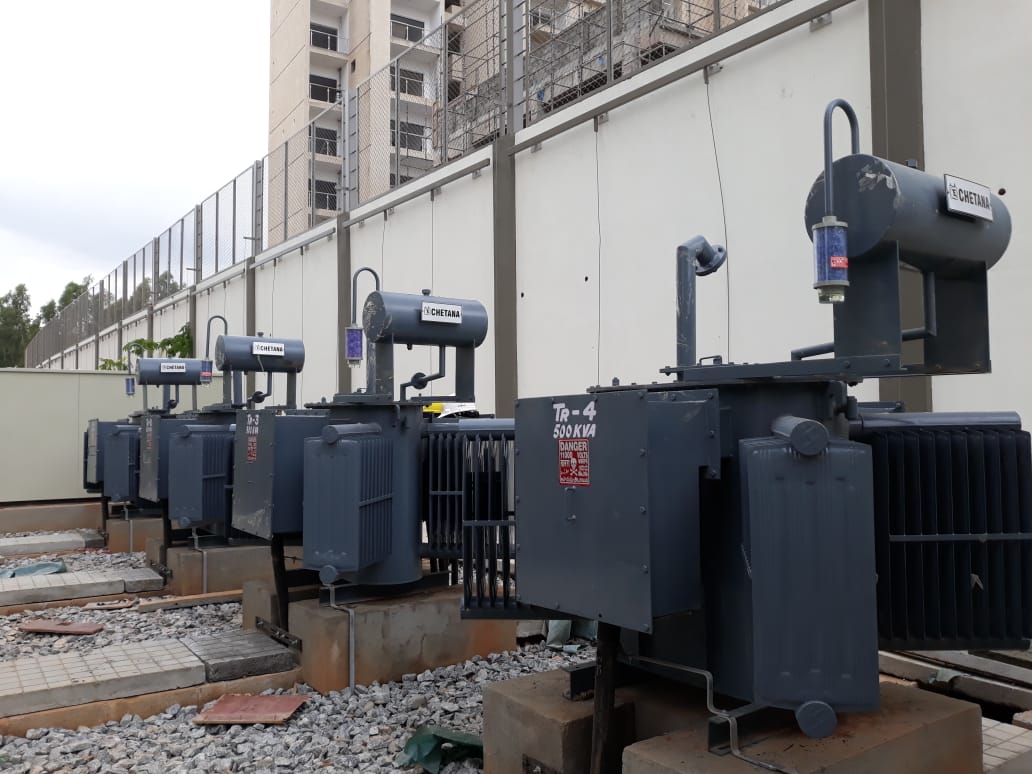
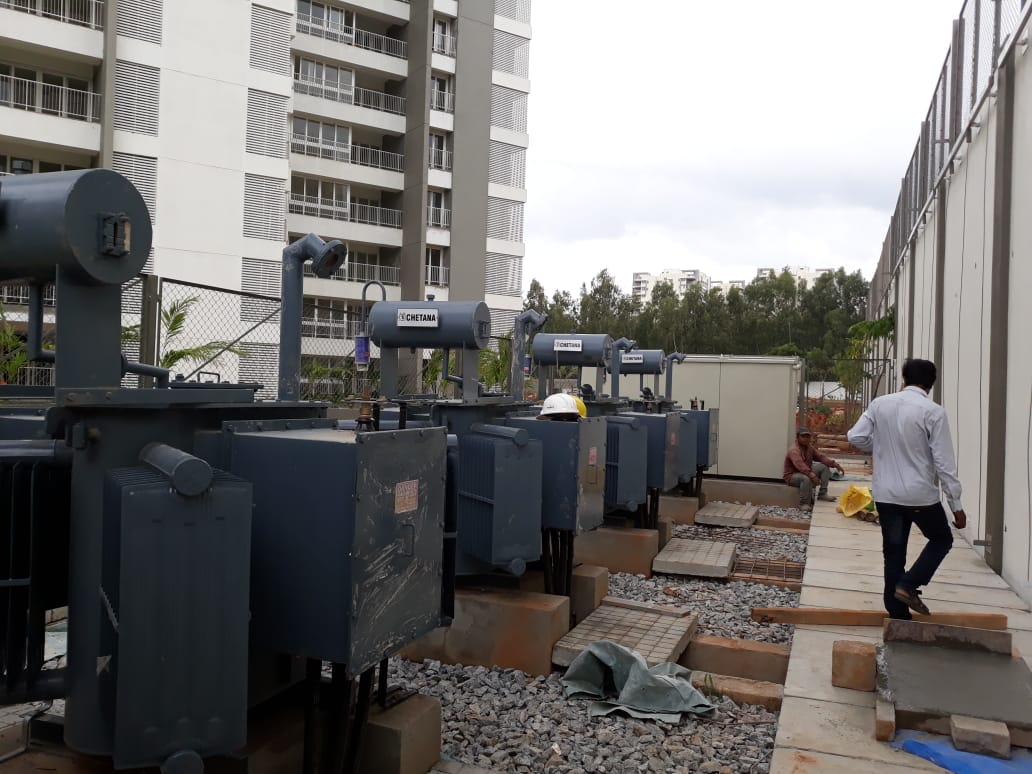
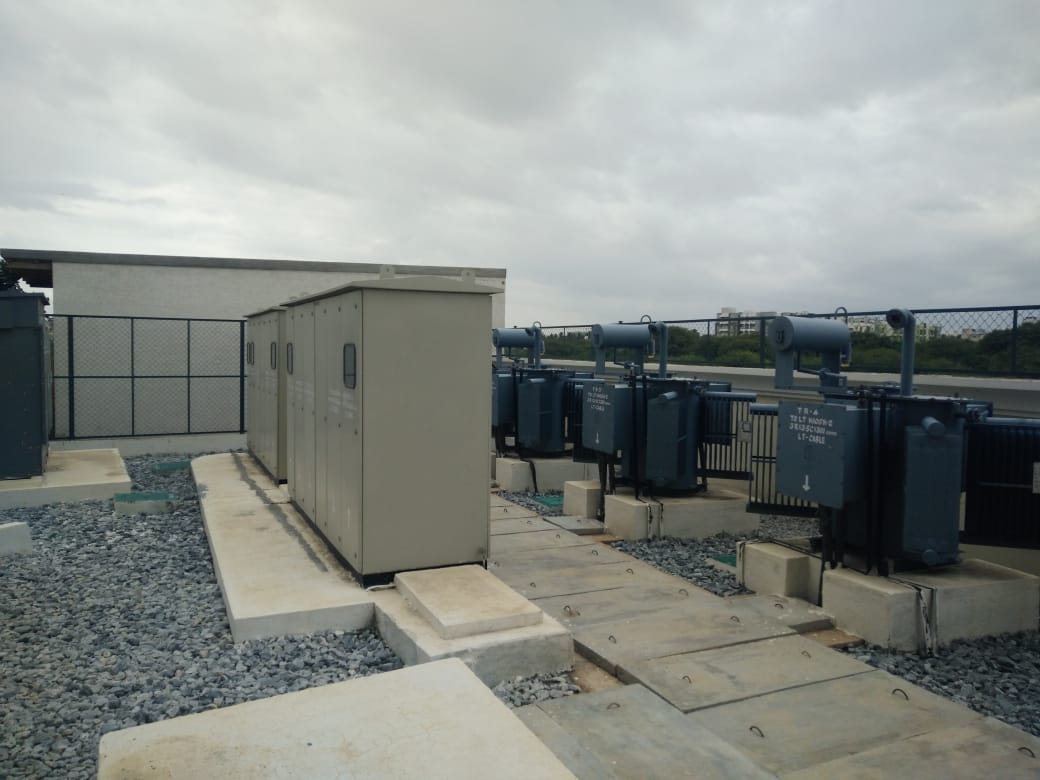
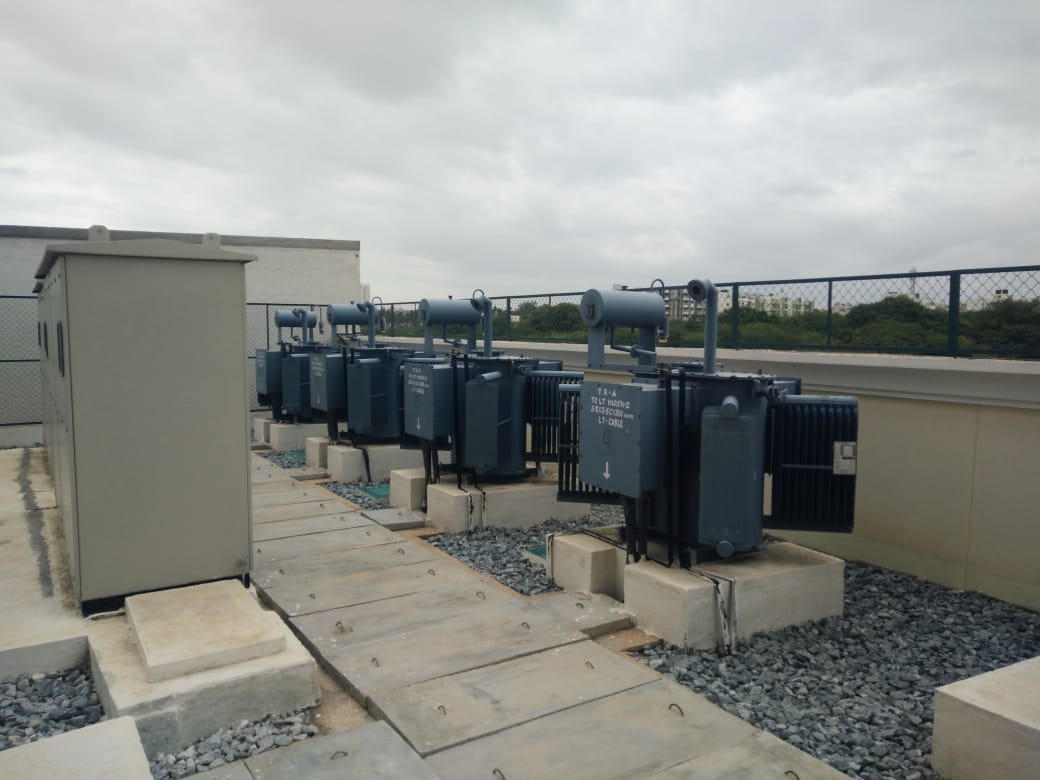
Whether you require a standard Remote Tap Changer Cubicle, a custom multi-transformer parallel control panel, or an integrated power transformer solution up to 5000 KVA 33kV, Chetan Electric provides expert engineering consultation, competitive factory-direct pricing, and dependable long-term support.