
Technical Knowledge Base

Transformer Articles & Insights

Engineering guidelines, technical updates, and expert maintenance knowledge for industrial transformers.

Engineering Excellence

Industry Standards & Innovation

In-depth analysis of oil-cooled, dry-type, and special application power distribution units.

0%

Choosing the right Rectifier Transformer Equipment manufacturer is not a simple popularity contest. These transformers convert high-voltage AC into controlled DC power for electrolysis, metallurgy, rail systems, industrial drives, and large battery plants. Their performance depends on more than capacity. Cooling design, harmonic resistance, insulation quality, tap-changing accuracy, short-circuit strength, and after-sales support can determine whether a plant runs smoothly or loses valuable production hours.

Martin J. Heathcote, author of The J & P Transformer Book, described the transformer as “one of the simplest electrical machines, yet one of the most important.” That observation remains practical today. A rectifier transformer may appear quiet beside a converter cabinet, but its copper windings, oil channels, bushings, and protection systems carry enormous responsibility. Small design weaknesses can become heat, vibration, or unexpected shutdowns.

This guide examines China’s Top 10 Rectifier Transformer Equipment Manufacturers through technical capability, manufacturing experience, certification, project references, customization, and service response. The ranking should not be treated as absolute. Data changes, public disclosures are uneven, and a manufacturer suited to a 10 MW electrolytic project may not fit a railway substation. That is worth admitting. Factory scale alone does not prove engineering reliability. Buyers should verify test reports, cooling calculations, harmonic performance, delivery records, and field references before signing a contract. The strongest suppliers combine proven designs with careful site-specific engineering. Sometimes, the less visible details matter most.
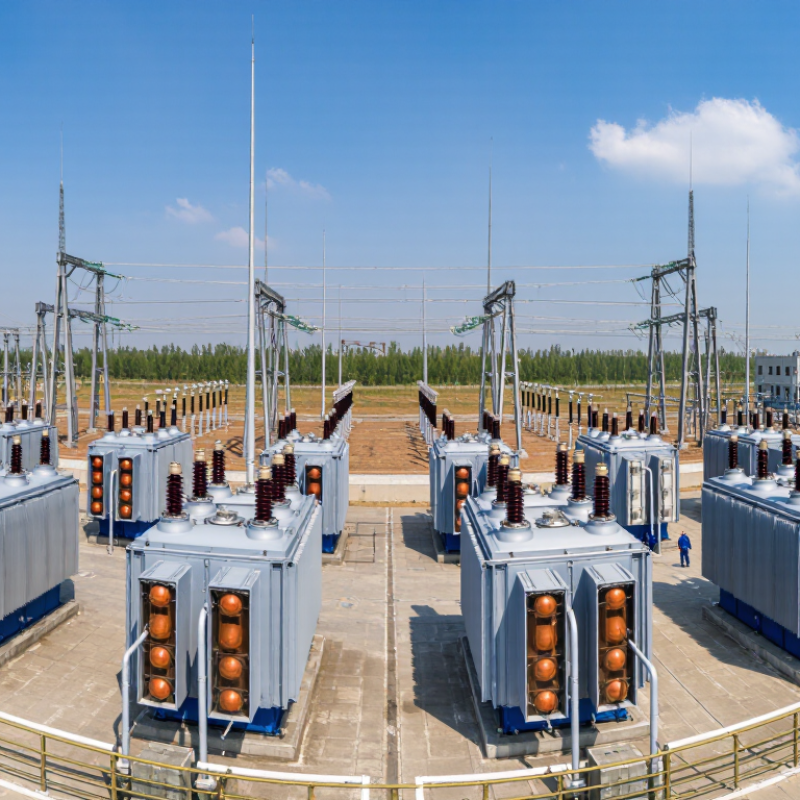
China Top 10 Rectifier Transformer Equipment Manufacturers?

What Is a Rectifier Transformer and How Does It Work?

A rectifier transformer is a specialized transformer used to supply stable direct current to industrial equipment. It first changes medium-voltage alternating current to a suitable voltage level. A diode or thyristor bridge then converts that AC output into DC power. The transformer itself does not perform the complete rectification.

In practice, engineers select the phase-shift angle, short-circuit impedance, and pulse arrangement carefully. Six-pulse systems are common, while twelve-pulse designs reduce current distortion. Filters may still be necessary. Harmonics can heat cables, disturb nearby controls, and increase losses. Small details matter.

The IEA’s Global Hydrogen Review 2024 reported about 1.4 GW of installed water-electrolysis capacity worldwide at the end of 2023. Many electrolyzers depend on high-current DC supplies, making rectifier transformers increasingly important. The U.S. Department of Energy’s Clean Hydrogen Liftoff report places typical electrolysis electricity demand near 50–55 kWh per kilogram of hydrogen. That figure exposes a practical concern: every transformer and rectifier loss affects operating cost.

Cooling systems may use oil, forced air, or water, depending on load and site conditions. Protection normally includes temperature monitoring, overcurrent devices, surge control, and insulation testing under IEC 60076 requirements. Field experience shows that nameplate capacity alone is not enough. Grid strength, harmonic limits, duty cycles, and maintenance access can change the correct design. A perfect specification rarely exists. Real projects still require measurement, review, and adjustment.

Key Specifications for Evaluating Rectifier Transformer Manufacturers

China Top 10 Rectifier Transformer Equipment Manufacturers?

Selecting a rectifier transformer manufacturer requires more than comparing prices. The IEA Electricity 2024 report forecasts global electricity demand to grow by about 3.4% annually through 2026. This growth increases pressure on industrial power systems. Buyers should examine rated capacity, secondary voltage, current ripple, cooling method, and duty cycle. These values must match the actual furnace, electrolysis, or traction load.

IEC 60076-1 defines core transformer requirements, while IEC 60076-6 addresses reactors and special transformers. A capable manufacturer should provide verified temperature-rise data, insulation test records, short-circuit calculations, and harmonic performance results. Ask for load-test evidence, not only catalogue figures. Check whether the factory measures winding resistance, partial discharge, and dielectric strength using calibrated equipment. Small omissions matter.

Reliability also depends on service capability. The CIGRE technical literature highlights maintenance planning, oil quality, thermal ageing, and failure investigation as major transformer concerns. Review spare-part lead times, remote monitoring options, site commissioning procedures, and documented repair cases. A useful supplier should explain overload limits clearly. Avoid vague promises.

A shortlist can still mislead. Some buyers overvalue efficiency and overlook ripple control. Others accept simulated data without independent verification. That is risky. Request references from installations with similar voltage, current, cooling, and operating hours. Then compare total ownership cost, not purchase price alone.

China’s Top 10 Rectifier Transformer Equipment Manufacturers

China’s Top 10 Rectifier Transformer Equipment Manufacturers represent a competitive industrial field serving electrochemical plants, metallurgy, rail systems, and large power-conversion projects. A reliable manufacturer should show documented design experience, factory testing records, and clear compliance with applicable electrical standards. Key evidence includes temperature-rise tests, insulation checks, short-circuit strength calculations, and verified efficiency data. Technical teams should also explain cooling methods, harmonic effects, tap-changer control, and maintenance access in practical language.

The strongest suppliers usually provide customized ratings rather than forcing standard models into complex applications. Buyers should examine load profiles, ambient temperature, installation altitude, vibration, and emergency operating conditions. Site references can reveal more than polished brochures.

Sometimes, delivery performance is overlooked. That can become expensive. A careful review should include material traceability, inspection procedures, spare-parts planning, and response times after commissioning. No manufacturer is perfect, and published performance figures may not reflect every field condition.

Tips: Compare at least three technical proposals using the same specifications. Request recent test reports and ask who performed the tests. Check whether the cooling design matches the actual duty cycle. Confirm warranty coverage, supervision, and operator training before signing. If a supplier avoids detailed answers, pause the evaluation. A factory visit may expose practical details, such as cable routing, paint quality, lifting points, and cleanliness. These small observations can matter during installation. Reconsider rankings when evidence is limited; a famous position does not replace project-specific reliability.

Applications and Industries Served by Rectifier Transformers

Applications and Industries Served by Rectifier Transformers

Rectifier transformers convert high-voltage alternating current into controlled direct current. Their strongest role appears in electrochemical production, where stable current supports continuous processing. Chlor-alkali plants use them for chlorine and caustic soda production. Metal plating lines depend on precise current control. Small voltage changes can affect coating thickness, surface quality, and energy use.

Aluminum smelters require enormous direct-current loads for electrolytic reduction. Copper refining, zinc processing, and battery-material production also use rectifier transformer systems. Steel plants may apply them to electric furnaces and specialized heating equipment. Mining operations use these transformers in mineral separation and metal recovery. Hydrogen facilities can require similar equipment for electrolyzers, especially when renewable power varies.

Transportation is another important field. Electric rail systems use rectifier transformers to supply traction networks. Industrial plants may install them for welding, galvanizing, and high-power testing. Engineers usually examine harmonic levels, cooling methods, insulation strength, and load cycles before selecting equipment. Maintenance teams also inspect bushings, oil quality, connections, and temperature records. Field conditions matter.

A technically correct design can still perform poorly if ventilation is weak. That mistake is surprisingly common. System designers should match transformer capacity with process demand, not only nameplate ratings. Future expansion deserves attention too. In real projects, calculations may change after site measurements reveal unexpected cable losses or unstable grid conditions. Reliable manufacturers support testing, documentation, and after-sales service, but buyers should verify every specification independently.

How to Select a Reliable Chinese Rectifier Transformer Supplier

Selecting a reliable Chinese rectifier transformer supplier requires more than checking a “top 10” ranking. Rankings may change, and some provide little technical evidence. Start by matching the supplier’s experience with your application, such as electrolysis, metallurgy, or high-current industrial systems.

Request detailed drawings, load profiles, rectifier configurations, cooling methods, and insulation requirements. A capable manufacturer should explain transformer capacity, harmonic effects, tap control, temperature rise, and expected service life in clear language. Ask for material certificates, routine test records, design calculations, and compliance documents for your destination market. Vague answers are warning signs.

Visit the factory, physically or through a verified remote audit. Check winding areas, vacuum drying equipment, test halls, and quality-control records. Quality is visible. Require a documented inspection plan covering raw materials, assembly, electrical testing, and final acceptance testing. Independent testing can reduce risk, especially for large projects. Contact recent customers and ask about delivery accuracy, installation support, spare parts, and fault response times.

Do not choose only by price. A lower quotation may exclude testing, packaging, engineering changes, or commissioning support. Compare the full lifecycle cost instead. I have seen technically attractive proposals fail because communication was overlooked. That weakness is easy to underestimate. Agree on drawings, milestones, warranty limits, and responsibility for design changes before signing. A reliable supplier welcomes difficult questions and records every answer. Potentially, even a strong supplier can make mistakes, so keep approval gates throughout production.

How to Select a Reliable Chinese Rectifier Transformer Supplier

Recommended procurement evaluation weighting for comparing rectifier transformer manufacturers. The framework emphasizes technical compliance, proven quality, lifecycle performance, and after-sales support rather than brand visibility.

Use these percentages as a practical screening model. Confirm applicable requirements against the project specification and relevant IEC 60076 transformer standards before placing an order.

FAQS

What is a rectifier transformer?

It changes medium-voltage AC into a suitable voltage for industrial equipment. A diode or thyristor bridge then converts AC into DC. The transformer alone does not complete rectification.

Where are rectifier transformers commonly used?

They support electrolysis, metallurgy, and other high-current industrial systems. Electrolyzers require stable DC power. Small electrical losses can increase operating costs.

Why do pulse arrangements matter?

Six-pulse systems are common in industrial applications. Twelve-pulse designs can reduce current distortion. Filters may still be required.

What problems can harmonics cause?

Harmonics may heat cables and disturb nearby control equipment. They can also increase electrical losses. The effects are easy to underestimate.

How should cooling be selected?

Cooling may use oil, forced air, or water. The choice depends on load and site conditions. Space matters too.

What protection features should a rectifier transformer include?

Typical protection includes temperature monitoring, overcurrent devices, surge control, and insulation testing. Protection settings should match actual operating conditions. Nameplate capacity is not enough.

How can I evaluate a Chinese rectifier transformer supplier?

Match the supplier’s experience with your application. Request drawings, load profiles, cooling details, and rectifier configurations. Ask for test records, material certificates, and compliance documents. Vague answers are warning signs.

Should I choose the lowest quotation?

Not usually. A cheaper offer may exclude testing, packaging, engineering changes, or commissioning support. Compare total lifecycle cost. The lowest price can become expensive later.

What should I inspect before production begins?

Review factory equipment, winding areas, vacuum drying systems, and test facilities. Require an inspection plan for materials, assembly, testing, and final acceptance. Keep approval gates. No checklist is perfect.

What should be agreed before signing a supply contract?

Confirm drawings, delivery milestones, warranty limits, and design-change responsibilities. Discuss spare parts and fault-response times. Communication can fail, even with a capable supplier. Record every answer.

Conclusion

This article provides a practical guide to China’s top 10 Rectifier Transformer Equipment manufacturers, focusing on the technologies, production capabilities, and service standards that distinguish reliable suppliers. It first explains what a rectifier transformer is and how it converts and regulates electrical power for demanding industrial applications. It then outlines key specifications for evaluation, including voltage and current ratings, power capacity, insulation performance, cooling methods, efficiency, harmonic control, protection systems, and customization options.

The article also reviews the major industries served by rectifier transformers, such as electrochemical processing, metallurgy, rail transportation, renewable energy, and industrial power systems. Finally, it offers a structured approach to selecting a dependable Chinese supplier by considering engineering expertise, manufacturing quality, testing procedures, certifications, delivery capability, technical support, warranty terms, and after-sales service. This information helps buyers compare suppliers objectively and choose equipment that delivers safe, stable, and efficient long-term performance.

Oliver

Oliver

Oliver is a professional marketing specialist dedicated to helping businesses understand how thoughtful products and reliable services can create lasting value. With extensive knowledge of the company’s solutions, he combines market insight, customer research, and clear communication to explain......