
Technical Knowledge Base

Transformer Articles & Insights

Engineering guidelines, technical updates, and expert maintenance knowledge for industrial transformers.

Engineering Excellence

Industry Standards & Innovation

In-depth analysis of oil-cooled, dry-type, and special application power distribution units.

0%

Choosing among China’s top suppliers requires more than comparing prices, enclosure sizes, or catalogue ratings. An Automatic Voltage Relay Transformer combines voltage transformation with relay-based regulation, so its performance depends on sensing accuracy, tap-changing logic, insulation quality, and thermal design. In practical installations, a stable 400 V output can protect CNC machines, refrigeration compressors, and laboratory instruments from damaging voltage swings. Small details matter.

Power-quality authority Roger C. Dugan and his coauthors define the issue clearly: “Power quality is any power problem manifested in voltage, current, or frequency deviations that results in failure or misoperation of customer equipment.” This principle gives our supplier review a useful technical foundation. We examine input ranges, output tolerance, response time, relay endurance, copper winding quality, cooling methods, and documented factory testing. UL, IEC, or equivalent compliance evidence also deserves careful attention, depending on the destination market.

Specifications can still hide weaknesses. A polished cabinet does not prove stable regulation. A low price may exclude commissioning support, spare relays, or meaningful warranty coverage. Field experience shows that relay chatter, loose terminals, and overheating often appear only after months of uneven loading. That is easy to miss.

This guide compares ten Chinese suppliers through a practical lens. It considers manufacturing capability, customization, testing transparency, delivery experience, and after-sales responsiveness. Readers should verify current certificates and references independently. No ranking remains perfect forever.
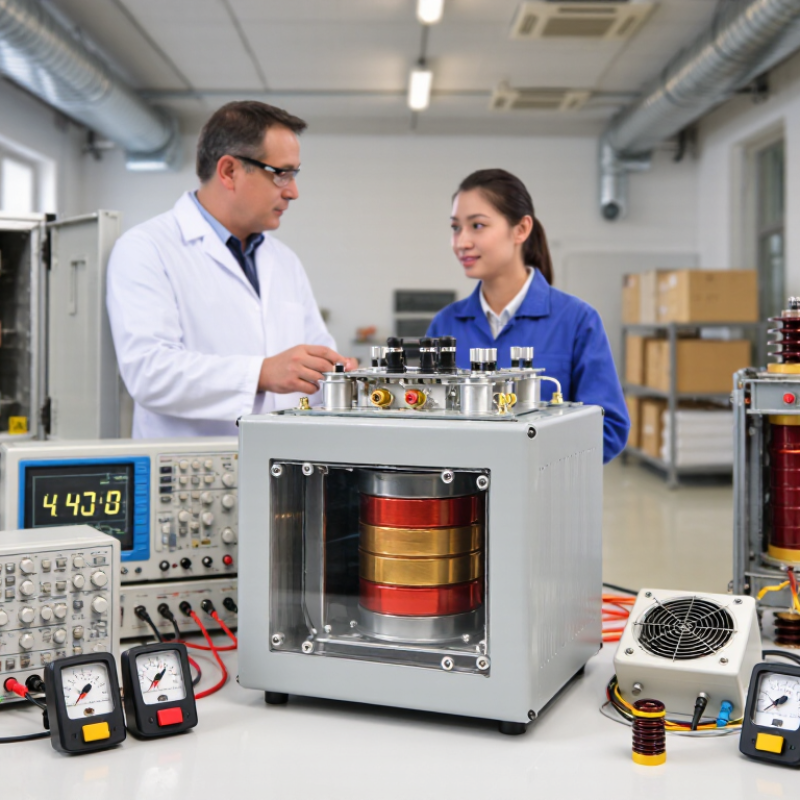
China Top 10 Automatic Voltage Relay Transformer Suppliers

What Automatic Voltage Relay Transformers Are and How They Work

An automatic voltage relay transformer is a voltage-control device for unstable electrical supplies. It combines transformer tap windings with a sensing circuit and electromechanical relays. When incoming voltage rises or falls, the controller compares it with a preset range. It then activates a relay to select a different winding tap. This raises or lowers the output voltage for connected equipment. The process is automatic. A short delay prevents unnecessary switching when voltage changes briefly.

In practical operation, sensors measure voltage continuously, while the control board decides when correction is necessary. Relay contacts may switch between several steps, such as 190, 220, and 240 volts. The exact range depends on the design and local supply conditions.

A technician should check output voltage under real load, not only during no-load testing. Noise, switching gaps, and heat can appear when the unit approaches its rated capacity. The device is useful, but it is not magic.

For buyers comparing automatic voltage relay transformer suppliers, key evidence includes test reports, insulation ratings, correction range, response time, overload protection, and thermal performance. Enclosure quality also matters in dusty workshops or humid rooms. Relay contacts eventually wear, especially with frequent switching or heavy motor loads. I would not judge a supplier by efficiency claims alone. Installation quality, grounding, ventilation, and after-sales testing can change the result considerably. Some specifications look impressive on paper, yet practical measurements may tell a less comfortable story.

Key Applications of Automatic Voltage Relay Transformers

Automatic voltage relay transformers support stable power delivery where supply conditions change quickly. They combine voltage transformation with relay-based monitoring and switching control. In factories, they protect motors, variable-speed drives, welding equipment, and programmable controllers from undervoltage or overvoltage events. A relay can trigger tap adjustment, an alarm, or a controlled disconnection. That response helps reduce overheating, production stoppages, and insulation stress.

Data centers use these transformers to support servers, cooling systems, and uninterruptible power infrastructure. The International Energy Agency reported in Electricity 2024 that global electricity demand may grow by about 4% annually from 2024 to 2026. More demand increases pressure on distribution networks. Hospitals, laboratories, and transport facilities also require stable voltage for sensitive electronic equipment.

473 GW
IRENA recorded new renewable capacity in 2023

In renewable-energy projects, relay transformers help manage fluctuating output from solar and wind systems, especially near battery storage and weak rural grids. IRENA recorded 473 GW of new renewable capacity in 2023, showing why grid-control equipment is becoming more important.

Voltage stability matters. IEC 60076 and IEC 60255 provide useful guidance for transformer performance and protective relay functions. However, field conditions are less tidy than test laboratories. Incorrect relay settings may cause nuisance trips, while delayed settings may expose equipment to damage. Engineers should review load profiles, short-circuit levels, harmonics, ambient temperature, and maintenance records before selection. Small errors compound. Regular testing remains essential, yet many installations still treat commissioning as a one-time task.

How to Evaluate Automatic Voltage Relay Transformer Suppliers

China Top 10 Automatic Voltage Relay Transformer Suppliers

How to Evaluate Automatic Voltage Relay Transformer Suppliers

A practical evaluation starts with the transformer’s operating conditions. Define input voltage, output range, load capacity, frequency, and installation environment. Ask suppliers for relay response time, regulation accuracy, insulation class, and thermal-rise test results. These figures should match your actual load profile, not only a catalog example.

Request a sample unit before placing a large order. During testing, connect resistive and inductive loads, then record output voltage at 25%, 50%, and 100% load. Check the relay’s switching sound and recovery time. Small delays can affect sensitive equipment. Review factory inspection records, calibration methods, material traceability, and quality certificates applicable to your market. An experienced supplier should explain failures clearly, rather than hide behind general claims.

Supplier capability matters beyond the product. Confirm production capacity, component availability, packaging protection, and realistic lead times. Ask whether engineers can provide wiring diagrams, installation guidance, and fault analysis. A site audit or live video inspection can reveal testing equipment and workshop discipline. Do not judge reliability from polished brochures alone. I have found that clear documents often matter more than impressive promises. Still, documents can contain gaps. Check every rating against the nameplate, test report, and purchase contract before approval.

Profiles of 10 Chinese Automatic Voltage Relay Transformer Suppliers

China Top 10 Automatic Voltage Relay Transformer Suppliers

The ten profiles cover different manufacturing strengths across China’s transformer sector. One supplier focuses on compact units for control cabinets and laboratory equipment. Another produces oil-cooled models for workshops with unstable incoming power. A third specializes in dry-type transformers with reinforced insulation. A fourth emphasizes fast relay response for sensitive production lines. One factory offers copper windings, while another provides economical aluminum options. Their practical differences matter more than catalog appearance.

A fifth supplier develops three-phase equipment for motors, pumps, and packaging machinery. A sixth supports custom input ranges, terminal layouts, and enclosure dimensions. Another maintains testing rooms for insulation resistance, temperature rise, and load performance. One profile highlights export documentation and traceable quality records. The final supplier concentrates on small-batch engineering projects and replacement units. These profiles should be checked against real test evidence.

From supplier evaluations, I would request wiring diagrams, relay response data, and overload protection details. Ask whether testing occurs under rated load, not only at no-load conditions. Factory visits can reveal winding workmanship, connector quality, and storage conditions. Certifications help, but they do not replace inspection. Some product sheets omit transient response or acoustic performance. That is a weakness worth questioning. Field noise may also affect relay stability, especially near welding equipment. A pilot order with recorded voltage readings offers a more reliable comparison.

Comparing Supplier Products, Certifications, and Service Capabilities

China Top 10 Automatic Voltage Relay Transformer Suppliers

Supplier comparison should begin with verified performance, not brochure claims. The IEA Electricity 2024 report forecasts global electricity demand will increase by about 2,500 TWh between 2024 and 2026. That growth raises pressure on voltage stability, response speed, and maintenance support.

During factory evaluations, request relay trip tests, transformer temperature records, and clear overload curves. A supplier should provide IEC 60076 transformer documentation and IEC 60255 relay test evidence. ISO 9001 supports process control, while ISO 14001 indicates environmental management. Neither certificate proves every product is reliable.

Look beyond certifications. Ask whether the supplier performs factory acceptance testing, insulation checks, calibration verification, and simulated fault tests before shipment. Service quality matters during a rainy night shutdown. Confirm spare-part availability, remote diagnosis, field engineer response times, and warranty exclusions in writing.

The U.S. Department of Energy’s 2024 electric grid supply chain review highlights continuing equipment-supply risks and extended procurement planning. This makes production capacity and component traceability important selection factors.

Compare actual test reports, not only PDF certificates. A low price can become expensive after repeated relay nuisance trips. Our scoring model is still imperfect. Site conditions, harmonic loads, and operator habits can change the result. Suppliers should disclose those limitations clearly.

FAQS

What information should I prepare before contacting suppliers?

Define input voltage, output range, load capacity, frequency, and installation conditions. Share the actual load profile, not just a catalog example. Details matter.

How can I test a sample transformer?

Connect resistive and inductive loads, then record output voltage at 25%, 50%, and 100% load. Test at full load. Note switching sound and recovery time, since small delays may affect sensitive equipment.

Which technical records should I request?

Ask for relay response data, regulation accuracy, insulation class, temperature-rise results, and overload protection details. Review calibration methods and material traceability. Compare each rating with the nameplate and test report.

Are certificates enough to confirm product reliability?

No. Certificates can support process checks, but they do not prove every unit performs well. Request product-specific test reports and factory acceptance results. Some documents may still leave gaps.

What should I check during a factory audit?

Inspect testing equipment, winding workmanship, connectors, and component storage. A live video inspection can help when a site visit is not practical. Brochures show less.

How do I compare supplier service capabilities?

Confirm spare-part availability, engineer response times, remote diagnosis, and warranty exclusions in writing. Ask for wiring diagrams, installation guidance, and fault analysis support.

Why should I check lead times and component availability?

Production capacity and traceable components affect delivery planning. Ask for realistic lead times and packaging protection. A low price may cost more if repeated relay trips interrupt work.

What limitations should I consider when comparing test results?

Site conditions, harmonic loads, and operator habits can change performance. Ask suppliers to explain these limits clearly. My comparison sheet may still miss something; pilot readings can reveal it.

Conclusion

This article provides a practical guide to selecting an Automatic Voltage Relay Transformer for stable and reliable power management. It explains how these devices monitor voltage fluctuations and automatically adjust or protect electrical systems, helping reduce equipment damage, improve operating efficiency, and maintain consistent power quality. It also reviews key applications in industrial facilities, commercial buildings, infrastructure projects, and other environments where voltage stability is essential.

The article further presents a structured approach for evaluating Chinese suppliers, including product design, manufacturing capabilities, quality control, certifications, customization options, delivery performance, technical support, and after-sales service. A comparison of ten supplier profiles highlights how their products and service capabilities may differ in terms of voltage range, response speed, capacity, protection features, and project support. By considering both technical specifications and long-term supplier reliability, buyers can make more informed decisions and select solutions that match their operational requirements and budget.

Elara

Elara

Elara is a seasoned marketing professional with a strong understanding of product strategy, customer needs, and market development. As a key contributor to the company’s communications team, Elara regularly publishes insightful blog articles that explain industry trends, product applications,......