
Engineering guidelines, technical updates, and expert maintenance knowledge for industrial transformers.
In-depth analysis of oil-cooled, dry-type, and special application power distribution units.
The global search for the Top Constant Voltage Transformer Manufacturers Worldwide reflects a practical challenge: stable power is no longer optional for modern facilities. Hospitals, semiconductor plants, data centers, and automated factories depend on consistent voltage every second. A small voltage fluctuation can heat a motor, interrupt a control panel, or corrupt sensitive equipment.
Industry reports show why this market deserves closer examination. Grand View Research projects continued growth in the global transformer market, supported by grid modernization, renewable-energy integration, and industrial expansion. MarketsandMarkets also identifies rising demand for power-quality equipment, especially where electronic loads require tighter voltage control. The U.S. Department of Energy’s transformer supply-chain assessment highlights another concern: specialized transformer production faces extended lead times, material pressure, and limited manufacturing capacity. These findings make manufacturer selection more than a price comparison.
As power-quality specialist Math H. J. Bollen states, “Power quality is the combination of voltage quality and current quality.” His observation remains highly relevant to Constant Voltage Transformer applications. A reliable supplier should demonstrate verified regulation performance, thermal design capability, insulation quality, testing procedures, and responsive technical support. Certifications matter, but they do not tell the whole story. Field experience matters too.
The comparison is not perfectly simple. Published specifications can omit overload behavior, acoustic noise, or long-term maintenance data. That gap deserves attention. This guide examines leading manufacturers through product capability, global service coverage, engineering credibility, and application experience. The strongest choice may not be the largest company. It may be the supplier that understands the exact load, environment, and risk.
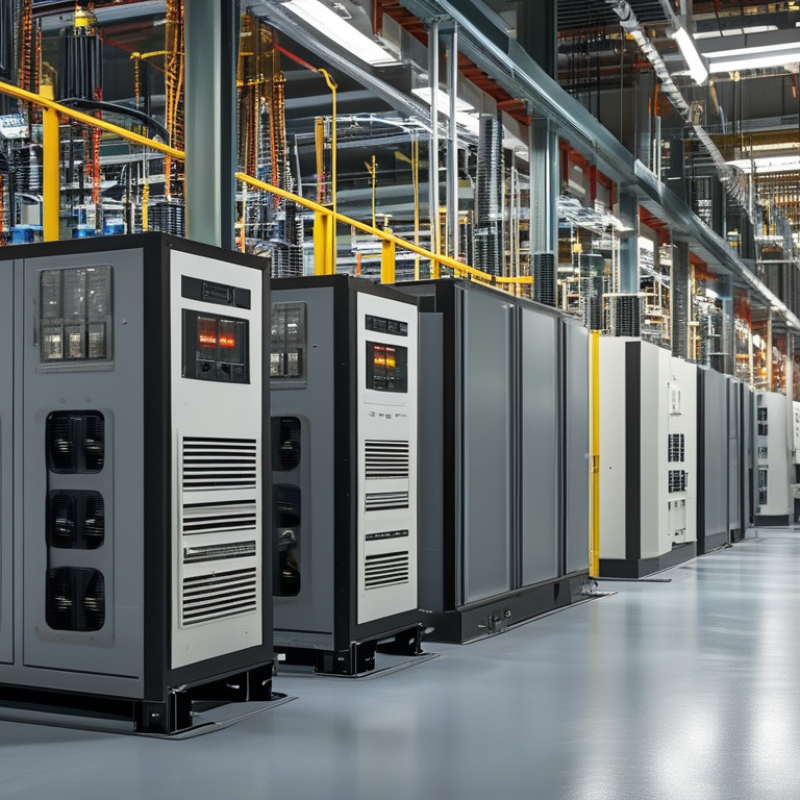
Top Constant Voltage Transformer Manufacturers Worldwide
Definition and Operating Principle of Constant Voltage Transformers
A constant voltage transformer, or CVT, is a power-conditioning device for sensitive electrical equipment. It reduces input-voltage changes before power reaches the load. Unlike a basic transformer, it uses magnetic saturation and a resonant capacitor. These elements work together to maintain a steadier secondary voltage.
When the input rises, the transformer core approaches saturation. This limits additional voltage transfer. When the input falls, stored energy in the resonant circuit supports the output. The same magnetic action also reduces many line disturbances, including brief spikes and electrical noise. The output is not perfectly fixed. Load size, frequency, temperature, and waveform quality still influence performance.
Field experience shows that correct sizing matters more than a generous rating alone. A motor, heating element, or switching power supply may create a difficult starting demand. Check continuous watts, inrush current, power factor, and required output frequency. Poor sizing can cause humming, excess heat, or unstable voltage. It is an easy mistake to overlook.
Tips: Leave ventilation space around the enclosure. Measure the actual input voltage during busy operating periods. Confirm the load’s starting current before installation. Inspect terminals periodically, especially in dusty or warm rooms. A CVT may protect sensitive equipment, but it cannot correct every power-quality problem.
Evaluating global constant voltage transformer manufacturers requires more than comparing rated capacity and price. Start with compliance to IEC 60076 and relevant power-quality requirements, including voltage regulation, insulation strength, temperature rise, and short-circuit performance. Ask for independent test reports, not polished brochures. Small details matter.
Efficiency deserves close attention. The U.S. Department of Energy estimates that its 2024 distribution-transformer rule could save about 3.6 quadrillion British thermal units over 30 years. This highlights the long-term cost of core losses, even when a transformer operates below full load. Manufacturers should provide no-load and load-loss data, tested at defined temperatures. Verify the method. Otherwise, comparisons become unreliable. A lower purchase price may hide higher lifetime energy costs.
Reliability also depends on manufacturing discipline. Check factory acceptance testing, winding consistency, thermal monitoring, traceability, and field-service response. The International Energy Agency reports that annual grid investment may need to exceed 600 billion dollars by 2030, increasing demand for dependable equipment and skilled support. Ask whether the manufacturer can reproduce performance across different production batches. A single excellent test unit proves little. Harmonic behavior, recovery after voltage disturbances, and performance in humid environments should also be assessed. No scorecard is perfect. Real operating data should influence the final decision.
Constant voltage transformer manufacturers serve different regional needs, shaped by grid design, climate, and industrial demand. In Asia, leading producers often focus on compact units for factories, automation lines, and commercial buildings. European manufacturers typically emphasize efficient designs, careful acoustic control, and detailed documentation. North American suppliers commonly support heavy-duty applications, including data centers, healthcare facilities, and utility equipment.
Regional experience matters. A manufacturer familiar with humid coastal sites may specify stronger insulation and corrosion protection. In colder markets, engineers may review startup performance and enclosure materials. Reliable producers usually provide factory testing, load-loss data, thermal analysis, and traceable quality records. These details help buyers compare equipment beyond price. Still, published specifications can miss installation realities. Site conditions matter more than brochures suggest.
Tips: Check input voltage, output stability, frequency, capacity, and cooling method. Ask for test reports and maintenance guidance. Confirm service coverage near the installation site. Compare warranty terms carefully. A local distributor may understand permits and delivery risks better. Do not assume the largest factory is the best fit. Regional rankings change, and some comparisons remain imperfect. Speaking with installers can reveal vibration, wiring, or access problems before procurement begins.
Leading Constant Voltage Transformer Markets by Typical Nominal Supply Voltage
The chart compares typical nominal single-phase supply voltages used in major regional markets. These standards help determine the required input and output ratings for constant voltage transformers. Local exceptions and multi-voltage systems may apply.
Reference basis: IEC 60038 nominal voltage conventions and widely used national electrical supply standards.
Constant voltage transformers are available in several practical forms. Ferroresonant models suit sensitive control equipment and provide strong voltage regulation. Isolation transformers add electrical separation between input and output circuits. Automatic voltage regulators respond to changing supply conditions, while three-phase units support heavier industrial loads. Manufacturers usually offer dry-type designs for cleaner indoor installations and enclosed versions for dusty workshops.
Industrial applications vary by operating environment. Manufacturing lines use these transformers to protect programmable controllers, sensors, and motor controls from voltage fluctuations. Data centers may require stable power for monitoring systems and communication equipment. Medical facilities need carefully controlled output and low electrical noise. Renewable energy projects often use customized units near inverters, battery systems, or grid connection equipment. In practice, installation details matter as much as the nameplate rating.
Customization can include input voltage range, output accuracy, frequency, phase configuration, enclosure material, cooling method, and terminal arrangement. Engineers should request temperature-rise data, efficiency curves, insulation ratings, and factory test records. A reliable manufacturer will discuss load patterns rather than sell only a standard size. That takes time. Some specifications remain uncertain until real site measurements are available. Cable length, startup current, humidity, and harmonics can change the final design. A careful supplier should admit these limits and recommend prototype testing before larger production.
Top Constant Voltage Transformer Manufacturers Worldwide
How to Select a Reliable Constant Voltage Transformer Manufacturer
Selecting a reliable constant voltage transformer manufacturer requires more than comparing prices. Check whether the manufacturer understands your actual electrical environment. Share input voltage ranges, load types, starting currents, operating hours, and installation conditions. A supplier should calculate capacity with realistic headroom, not simply recommend the smallest available unit.
Ask for winding materials, insulation class, cooling methods, enclosure ratings, and thermal-rise test results. Request routine test records, efficiency data, voltage regulation figures, and quality certificates from recognized laboratories. Traceable serial numbers and inspection reports make future maintenance easier. The factory should also explain how it controls core losses, noise, and heat during continuous operation.
Pay attention to technical communication. Can the engineering team review your wiring diagram and identify possible overload risks? Can they provide a sample, clear drawings, and a documented inspection process? After-sales support matters when a transformer operates in a dusty workshop or a humid control room. Response times should be written into the agreement. A low quotation may hide weaker insulation or limited testing. That is not always true, but it deserves investigation. No checklist is perfect. Recheck assumptions after installation, measure output voltage under load, and record temperature changes during the first operating week.
Grid designs, climates, and industrial loads vary by region. A humid coastal factory may need stronger insulation and corrosion protection.
Compact units often fit factories, automation lines, and commercial buildings. Check starting currents, operating hours, capacity, and cooling method.
Request factory test reports, load-loss data, thermal analysis, efficiency figures, and voltage regulation results. Traceable records help later maintenance.
Compare insulation class, winding materials, enclosure ratings, noise control, testing depth, warranty terms, and service coverage. Cheap is not always better.
Provide input voltage ranges, load types, starting currents, operating hours, temperature, humidity, dust, and installation access. Site reality matters.
A manufacturer should calculate realistic operating capacity, rather than selecting the smallest unit. Starting loads can briefly demand much more power.
Ask them to inspect wiring diagrams and identify overload, vibration, heat, or access risks. Small wiring problems can become expensive.
Measure output voltage under load and record temperature changes during the first week. Recheck assumptions. Initial testing can reveal missed conditions.
Not necessarily. Regional service, technical communication, documentation, and site experience may matter more than factory size.
Confirm maintenance guidance, inspection procedures, nearby service coverage, and written response times. Coverage on paper may still feel slow.
This article provides a practical overview of the Constant Voltage Transformer, explaining its definition, operating principle, and role in stabilizing electrical output under changing load and input conditions. It also examines the key performance standards used to evaluate manufacturers worldwide, including voltage regulation, efficiency, insulation strength, thermal management, reliability, safety compliance, and service life.
The guide compares major regional manufacturing markets without focusing on specific brands and introduces common product types, industrial applications, and customization options. It discusses how transformers may be adapted for laboratories, automation systems, medical equipment, communications, renewable energy installations, and other sensitive electrical environments. Finally, readers will learn how to select a reliable manufacturer by assessing technical expertise, quality control, testing procedures, production capacity, customization support, delivery capability, after-sales service, and long-term maintenance resources.