
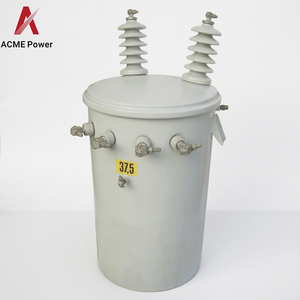
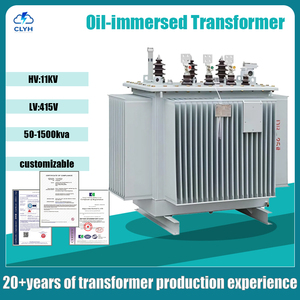
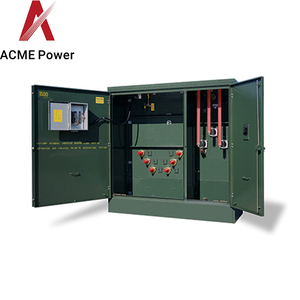
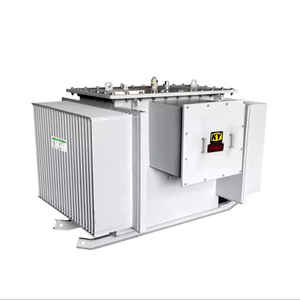
Explore our high-efficiency oil-immersed, pole-mounted, pad-mounted, and dry-type distribution transformers engineered for demanding global electrical utility networks.
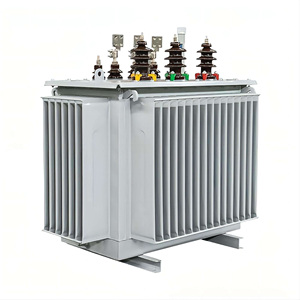
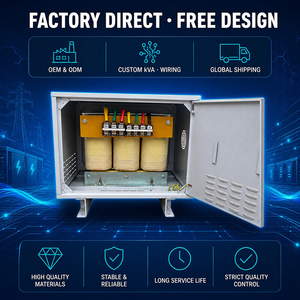
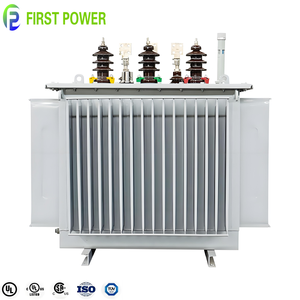
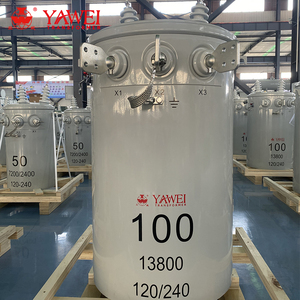
In high-voltage electrical grid architecture, power reactors and heavy-duty transformers serve as the indispensable backbone for inductive reactive power compensation, short-circuit current limiting, harmonic suppression, and voltage stabilization. As modern power systems transition toward complex renewable energy integration, ultra-high voltage (UHV) transmission networks, and dense hyperscale data center infrastructure, sourcing robust, thermal-efficient power reactors directly from audited OEMs is a strategic imperative for global engineering procurement construction (EPC) contractors.
Established with over three decades of core electrical engineering excellence since 1994, our manufacturing infrastructure combines ISO 9001:2015 certified quality management systems with state-of-the-art electromagnetic testing capabilities. Every single power reactor, iron-cored shunt reactor, dry-type current limiting unit, and oil-immersed power transformer is rigorously type-tested in alignment with global standard organizations including the Central Power Research Institute (CPRI) and fully validated under strict routine testing according to IS 2026 / IS 1180 / IS 11171 and IEC 60076 specs.
By leveraging high-grade grain-oriented silicon steel (CRGO) cores, oxygen-free copper windings, and advanced thermal cooling channels (ONAN/ONAF/AN/AF), our production lines deliver ultra-low loss factor ratings, minimal partial discharge levels (<10 pC), and exceptional mechanical withstand capability during grid fault transients.
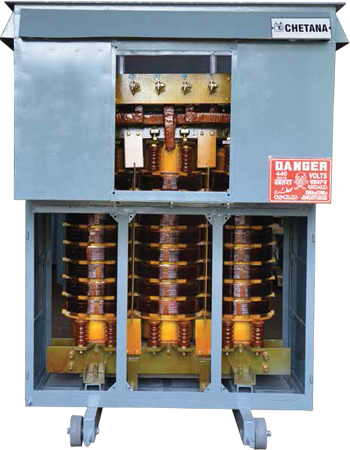
Our modern manufacturing base houses automated vacuum pressure impregnation (VPI) plants, precision CNC core shearing lines, and an independent high-voltage test bay capable of carrying out power frequency dielectric tests up to 150kV. All routine, type, and special tests—including impulse voltage withstand, temperature rise, and acoustic noise level measurements—are conducted under strict lab conditions prior to dispatch.
Whether you require single-phase pole-mounted distribution transformers, pad-mounted units for commercial microgrids, or heavy iron-cored shunt reactors for utility-scale substations, our engineering staff provides end-to-end custom impedance matching, thermal design optimization, and full vector group configuration (such as Dyn11, YNd11, or custom phase shifts).
While power transformers transfer electrical energy between voltage levels via electromagnetic induction across primary and secondary windings, power reactors are single-winding or specially configured inductive devices engineered to absorb capacitive reactive power, limit prospective fault currents, or alter system frequency response.
Connected directly to high-voltage transmission lines or transformer tertiary windings to consume excessive capacitive VARs generated by long, lightly loaded transmission cables (Ferranti Effect mitigation).
Inserted in series within feeder circuits or bus ties to add inductive reactance, effectively reducing short-circuit fault current levels to match the breaking rating of downstream circuit breakers.
Paired with power factor correction capacitor banks to shift the LC resonance frequency below the dominant harmonic orders (5th, 7th, 11th), protecting capacitors from destructive harmonic resonance overloading.
Choosing between iron-core and air-core power reactor construction depends heavily on installation space constraints, acoustic noise limits, magnetic field leakage boundaries, and economic total cost of ownership (TCO).
| Design Parameter | Iron-Core Power Reactor | Air-Core Power Reactor |
|---|---|---|
| Magnetic Saturation | Non-linear at heavy overcurrent ( requires gapped core design ) | Completely linear ( zero saturation under extreme fault conditions ) |
| Physical Footprint | Compact ( ~50-60% smaller space required vs Air-Core ) | Substantially larger ( requires wide magnetic clearance distance ) |
| Stray Magnetic Field | Contained within steel core and oil/steel tank enclosure | Unshielded external stray magnetic field ( demands non-magnetic concrete pad ) |
| Acoustic Noise Level | Higher magnetostriction noise ( requires core damping wedges ) | Extremely low acoustic operation ( zero magnetostrictive core noise ) |
| Installation Environment | Ideal for indoor substations, urban centers, and compact skids | Mainly outdoor substations with adequate perimeter clearance |
| Cooling Options | ONAN, ONAF, AN, AF, Cast Resin Dry-Type, Oil-Immersed | Natural air convection (AN) or forced air cooling |
Our production facilities utilize modern engineering procedures to manufacture custom power transformers up to 5000 KVA 33kV, specialized industrial furnace transformers, rectifier power units, and iron-cored shunt reactors up to 1000 KVAR. Key enterprise advantages include:
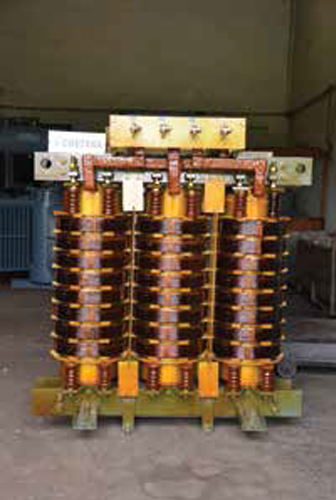
The global demand for power reactors and heavy distribution transformers is undergoing a fundamental structural shift driven by four global macro trends:
Utility-scale solar PV and offshore wind farms introduce sudden power swings and long cable capacitive charging. Dynamic variable shunt reactors (VSRs) with fast-acting tap changers are becoming standard requirement in grid interconnection codes worldwide.
Environmental regulations are pushing utilities away from conventional mineral oils. Natural and synthetic ester insulating oils with high fire flash points (>300°C) and rapid biodegradability are seeing accelerated adoption in urban substations.
Artificial Intelligence data centers demand high-density, uninterrupted power supply. Non-linear server loads generate intense triplen harmonics, increasing global procurement for dry-type cast resin detuned filter reactors with Class H (180°C) insulation.
When evaluating China power reactor factories, technical evaluation must extend beyond initial unit purchase price (CapEx). Factor in total lifecycle loss evaluation using the Total Cost of Ownership (TCO) equation:
Where $A and $B represent the capitalized cost per kilowatt of loss over a 25-year design lifespan. Sourcing reactors built with step-lap CRGO cores and low-resistance copper windings can yield up to 35% overall energy savings despite a 5-8% higher upfront material cost.
Leading manufacturers are driving innovation across magnetic material science, smart online condition monitoring, and eco-friendly structural designs:
To ensure total compliance with regional electrical codes and seamless substation integration, our wholesale manufacturing process follows a structured 5-stage quality gate system:
Analysis of target grid voltage, system frequency (50/60Hz), rated kVA/KVAR, vector group, and target short-circuit impedance %.
Finite Element Method electromagnetic and thermal fluid dynamic modeling to optimize core flux density and cooling channels.
High-precision coil winding, core stacking with step-lap joints, and full vacuum pressure impregnation (VPI) or oil filling.
100% factory inspection: winding resistance, turns ratio, dielectric insulation resistance, applied voltage, and loss measurement.
Seaworthy heavy-duty crating, nitrogen flushing for transformer cores, and international shipping clearance support.
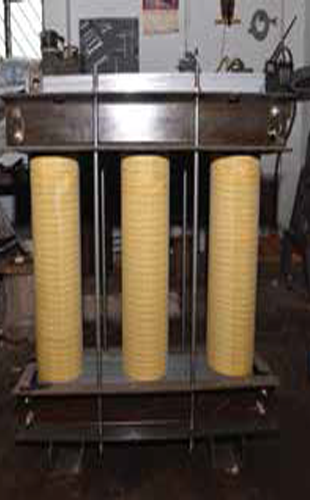
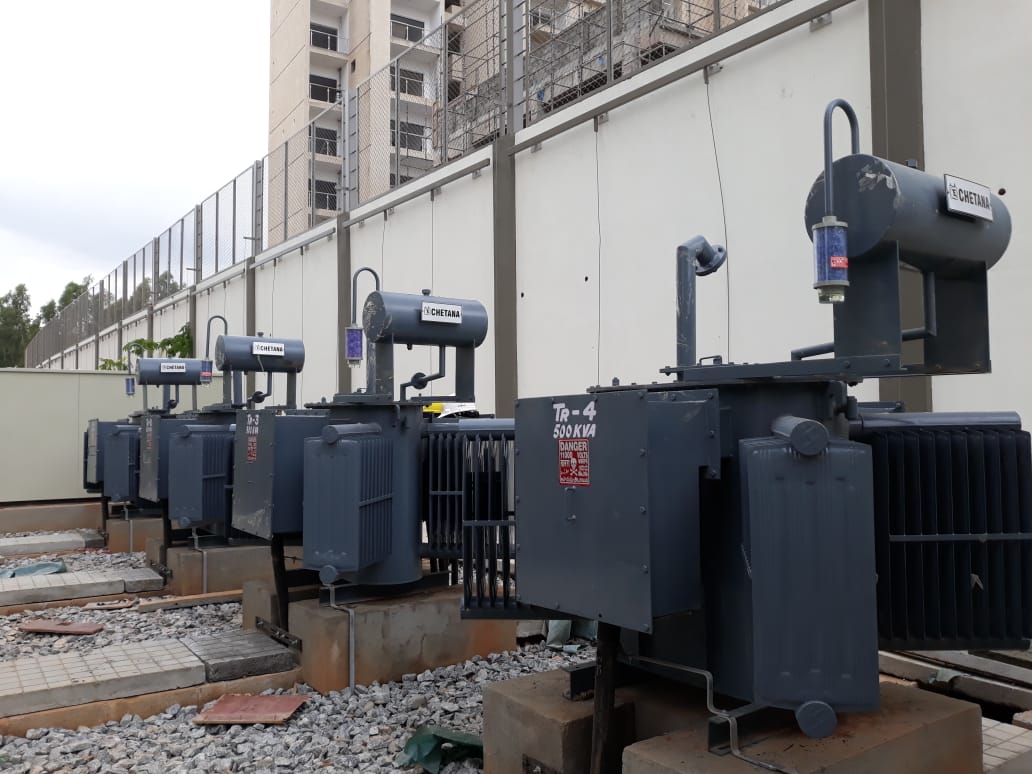
Here are expert answers to technical and commercial questions most frequently asked by global utility engineers and B2B buyers during factory audits and technical evaluations.
Connect directly with our engineering team to request detailed CAD drawings, CPRI type-test certificates, custom impedance calculations, or wholesale factory pricing for your upcoming infrastructure project.