
Direct factory-engineered distribution and power transformers designed to IS 2026 / IS 1180 / IEC 60076 standards. Complete with high efficiency, short-circuit withstand integrity, and custom vector group configurations.
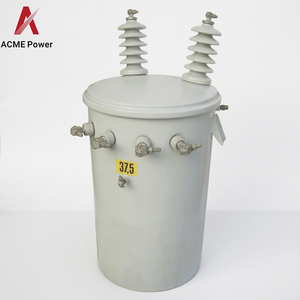
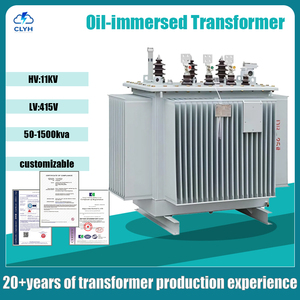
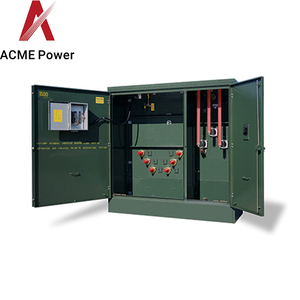
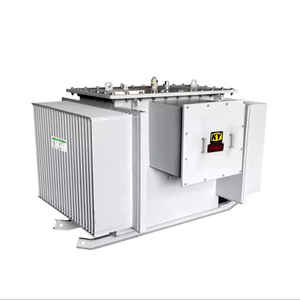
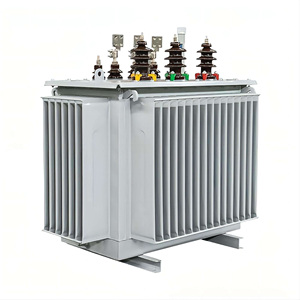
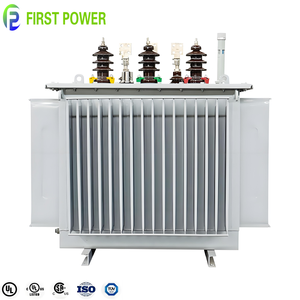
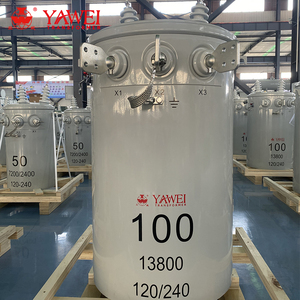
In modern electrical power engineering, Medium Voltage (MV) transformers and switchgear function as the essential backbone for grid distribution networks, commercial infrastructure, and industrial manufacturing plants. Standardized between 1 kV and 36 kV by international electrotechnical standards (IEC 60076 and IEEE C57), medium voltage transformers step down primary transmission levels into usable secondary distribution voltages (such as 415V, 480V, 11kV, or 20kV).
Driven by worldwide grid modernization, renewable energy integration (solar PV farms, offshore and onshore wind networks), industrial automation, and rapid EV charging cluster deployment, global procurement managers face unprecedented challenges. Choosing the right medium voltage manufacturer or OEM factory requires far more than comparing initial unit pricing; it demands a total cost of ownership (TCO) evaluation, rigorous quality verification, and factory inspection alignment.
To assist EPC contractors, utility engineers, and industrial procurement agents, we have compiled an authoritative benchmark of leading global medium voltage equipment factories. These manufacturers are rated on engineering customizability, short-circuit test certification (e.g., CPRI, KEMA, CESI), production capacity, and insulation technology.
| Manufacturer / OEM | Primary Voltage Range | Max Capacity (kVA/MVA) | Core Technical Specialization | Key Standard Compliance |
|---|---|---|---|---|
| Chetan Electric Pvt. Ltd. | Up to 33 kV | 5,000 kVA (5 MVA) | Custom Oil Cooled, Dry Type, Furnace & Special Testing Units | IS 2026, IS 1180, CPRI Type Tested |
| Hitachi Energy (formerly ABB) | 1 kV to 72.5 kV | Up to 100 MVA | Smart MV Distribution, Eco-Fluid Ester Transformers | IEC 60076, IEEE C57, ISO 14001 |
| Schneider Electric | 11 kV to 36 kV | Up to 25 MVA | Trihal Cast Resin Dry Type, IoT Tripping Protection | IEC 60076-11, EN 50588-1 |
| Siemens Energy | 6.6 kV to 36 kV | Up to 50 MVA | GEAFOL Cast Resin & Fitformer Vacuum Liquid Transformers | IEC, DIN, IEEE Standards |
| Eaton Electrical | 5 kV to 34.5 kV | Up to 10 MVA | Pad-Mounted Distribution, Cooper Power Series Technology | IEEE/ANSI C57.12.28, NEMA |
| CG Power & Industrial Solutions | 11 kV to 33 kV | Up to 25 MVA | Hermetically Sealed & Conventional ONAN Units | IS 2026, IEC, SABS |
| WEG Electric | 13.8 kV to 36 kV | Up to 30 MVA | Industrial Step-Down & Solar Inverter Duty Transformers | ANSI, IEC, ABNT |
| Toshiba Transmission & Distribution | 11 kV to 33 kV | Up to 40 MVA | High-Efficiency Amorphous Alloy Core Transformers | JIS, IEC 60076, IS 1180 |
| Hyosung Heavy Industries | 22 kV to 36 kV | Up to 50 MVA | Substation Distribution & Cast Resin Dry Type | KS, IEC, IEEE |
| Howard Industries | 4.16 kV to 34.5 kV | Up to 5,000 kVA | Overhead Pole-Mounted & Single Phase Submersible Units | ANSI/IEEE C57, NEMA |
Founded in 1994 in Bangalore, India, Chetan Electric Pvt. Ltd. has grown into an ISO 9001 certified pioneer in medium voltage power transformation over 30 years of engineering leadership. Operating out of its state-of-the-art production facility in the Veerasandra Industrial Area, Chetan Electric specializes in fully tailored liquid-immersed, dry-type, and special application transformers scaled up to 5000 kVA at 33kV.
Every transformer engineered by Chetan Electric undergoes stringent testing verified by the Central Power Research Institute (CPRI), Bangalore—one of the world's premiere independent high-voltage testing laboratories. All routine and special tests conform strictly to IS 2026, IS 1180, and IS 11171 standards, ensuring high short-circuit withstand withstandability, minimal dielectric loss, and prolonged insulation lifespan.
Chetan Electric transformers are trusted across critical infrastructure, defense networks, luxury real estate developments, and specialized healthcare complexes. Key domestic and international client deployments include:
The global transition toward carbon neutrality and smart digital grids is reshaping the design, manufacturing, and operational expectations for medium voltage equipment. Major technological inflections include:
Environmental regulations are accelerating the replacement of traditional mineral oil with biodegradable natural and synthetic ester dielectric fluids (e.g., K-class fluids like FR3). Ester fluids offer high fire points (>300°C), self-extinguishing safety, complete biodegradability, and extend cellulose insulation lifespan by slowing thermal degradation.
By replacing conventional Cold Rolled Grain Oriented (CRGO) steel with Amorphous Metal Cores, manufacturers reduce no-load (standby) core losses by up to 70% to 80%. This innovation is critical for utilities complying with strict EcoDesign Tier 2 directives and Level 5 energy efficiency benchmarks.
Modern MV distribution transformers are evolving into intelligent grid nodes equipped with fiber-optic temperature sensors, online Dissolved Gas Analysis (DGA) monitors, and IoT gateways. Real-time telemetry allows predictive maintenance, dynamic load modeling, and live hotspot temperature tracking.
Integrating power electronics with medium voltage magnetic components enables Solid-State Transformers (SST). SSTs deliver direct DC bus integration for mega-watt scale solar PV systems, battery energy storage systems (BESS), and ultra-fast DC EV charging clusters without requiring extra conversion stages.
Procuring medium voltage transformers for large-scale industrial projects or municipal distribution grids requires evaluating supplier capabilities across technical, commercial, and quality assurance metrics. Use the following structured checklist during technical evaluation and RFQ stages:
Clearly define primary/secondary voltages (e.g., 11kV to 0.415kV), continuous kVA rating, primary tapping range (e.g., ±2.5% to ±5% Off-Circuit or On-Load Tap Changer), vector group (e.g., Dyn11 or Dyn5), and insulation class (Class A for oil, Class F/H for dry type).
Request independent third-party type test reports (CPRI, KEMA, CESI) covering short-circuit withstand tests, lightning impulse voltage tests (BIL), and temperature rise limits. Ensure the test certificates match the proposed core geometry and winding specs.
Specify high-grade Electrolytic Grade ETP Copper conductor material over aluminum for high-density industrial loads to minimize internal resistance and thermal degradation. Demand prime CRGO steel grades (such as M4, M0H, or domain-refined steel).
Ensure the manufacturer allows client or third-party inspection agencies (e.g., SGS, TUV, Bureau Veritas) to conduct mandatory routine tests (winding resistance, voltage ratio, phase displacement, load loss, no-load loss, separate source voltage withstand, and induced overvoltage withstand) before dispatch.
Answers to critical technical questions raised by electrical engineers, EPC contractors, and procurement professionals.