
Verified power distribution step-down transformers certified under IS 2026 / IS 1180 / IEC 60076 standards. Precision engineered for high voltage conversion efficiency and minimal dielectric degradation.
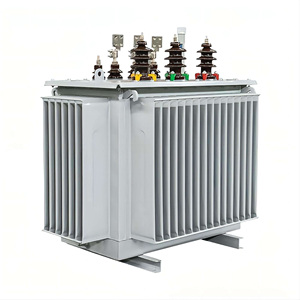
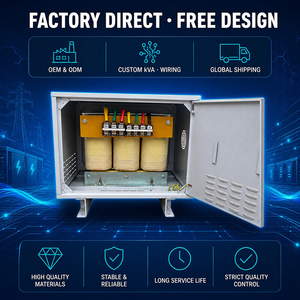
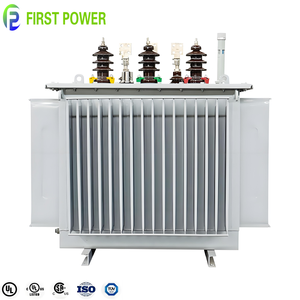
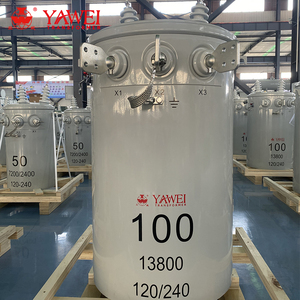
An authoritative analysis of magnetics engineering, core topology, loss mitigation strategies, and criteria for evaluating step-down transformer factories.
Step-down transformers represent the critical nexus in electrical distribution networks, reducing high-voltage transmission levels (such as 33kV, 20kV, 13.8kV, or 11kV) to usable low-voltage operational levels (415V, 400V, 240V, or 110V). Whether powering heavy industrial induction furnaces, municipal distribution networks, commercial high-rise complexes, or sensitive medical apparatus, the structural integrity of the transformer core and winding configuration dictates plant operational uptime and long-term energy expenditure.
The core of a high-efficiency step-down transformer is the central determinant of no-load (iron) losses ($P_0$). Premium manufacturers utilize high-permeability, Cold-Rolled Grain-Oriented (CRGO) silicon steel sheets—typically M4, M3, or laser-scribed MOH grades. Core laminations are assembled using step-lap mitered joints (45-degree angle cutting) to minimize magnetic flux distortion and reduce magnetizing current.
By implementing step-lap stacking techniques, leading OEMs achieve up to a 15% reduction in no-load loss and a significant reduction in acoustic noise levels (dB) compared to conventional direct-butt joints. In greenfield industrial procurements, evaluating the manufacturer's core assembly automation, burr-height limits (<0.02mm), and annealing processes is paramount to ensuring minimum lifecycle power dissipation.
Load losses ($P_k$), or copper/aluminum losses, stem directly from winding resistance and eddy currents generated within the conductors. Step-down applications experiencing frequent harmonic loads (e.g., variable frequency drives, arc furnaces, rectifier systems) demand specialized winding configurations:
A side-by-side engineering breakdown to guide utility and commercial procurement teams.
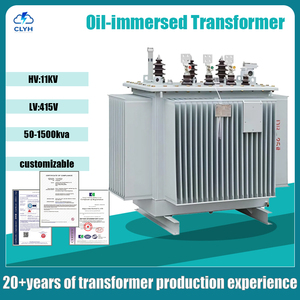
| Engineering Parameter | Oil-Immersed Step-Down (ONAN/ONAF) | Cast Resin Dry-Type (CRT/VPI) | Pad-Mounted Compartmental |
|---|---|---|---|
| Primary Voltage Range | 11kV, 22kV, 33kV (Up to 132kV) | 11kV, 22kV, 33kV | 11kV, 13.8kV, 24kV, 33kV |
| Capacity Ratings | 50 kVA to 5000+ kVA | 100 kVA to 3150 kVA | 45 kVA to 2500 kVA |
| Dielectric Medium | Uninhibited Mineral Oil / Ester Oil | Air / Epoxy Resin Solid State | Refined Mineral Oil / FR3 Fluid |
| Overload Capability | High (Oil provides thermal dissipation reservoir) | Moderate (Air cooled thermal time constant) | High (Tamperproof outdoor design) |
| Fire Risk & Installation | Requires oil bunding / outdoor installation | Self-extinguishing (F1 class) / Indoor ready | Outdoor public spaces / Underground feed |
| Maintenance Cycle | Annual oil DGA & dielectric breakdown test | Visual dust cleaning & torque checks | Semi-annual bushing & oil gauge inspection |
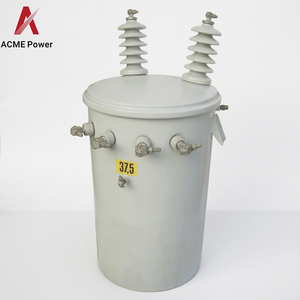
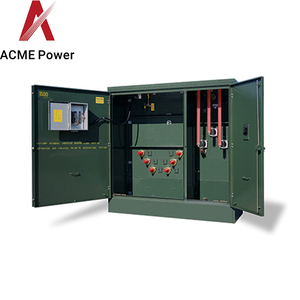
| Target Applications | Heavy industry, substations, utilities | Hospitals, commercial towers, data centers | Subdivisions, solar farms, industrial parks |
Founded in 1994 in Bangalore, India, Chetan Electric Pvt. Ltd. is an ISO 9001 certified transformer manufacturer specializing in custom power distribution, oil-cooled, dry-type, and special application step-down units up to 5000 KVA 33kV. With over three decades of magnetics design experience, Chetan Electric products are type-tested at the prestigious Central Power Research Institute (CPRI) and strictly conform to IS 2026, IS 1180, and IS 11171 standards.
All designs undergo stringent routine, type, and special tests—including impulse voltage withstand, temperature rise, and short-circuit dynamics testing at CPRI Bangalore.
Trusted across critical public infrastructure and private mega-developments including Prestige Group, Sobha Developers, ISRO, BEML, BEL, Raheja Group, and Brigade Group.
Tailor-made step-down transformers engineered with On-Load Tap Changers (OLTC), Remote Tap Changer Cubicles (RTCC), and Automatic Voltage Regulators (AVR).
Furnace transformers, rectifier equipment, high voltage testing units up to 150kV, constant voltage transformers (CVT), and iron/air cored reactors up to 1000 KVAR.
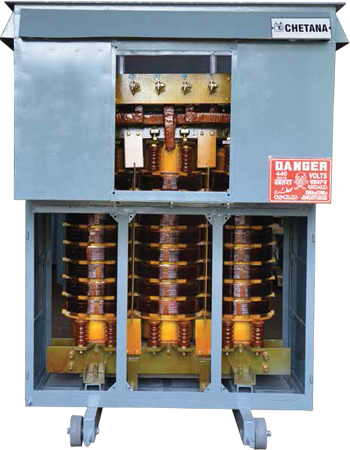
Bangalore OEM Transformer Production Facility
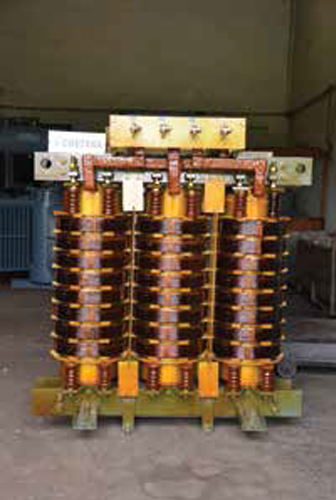
High Capacity Power Transformer Field Installation
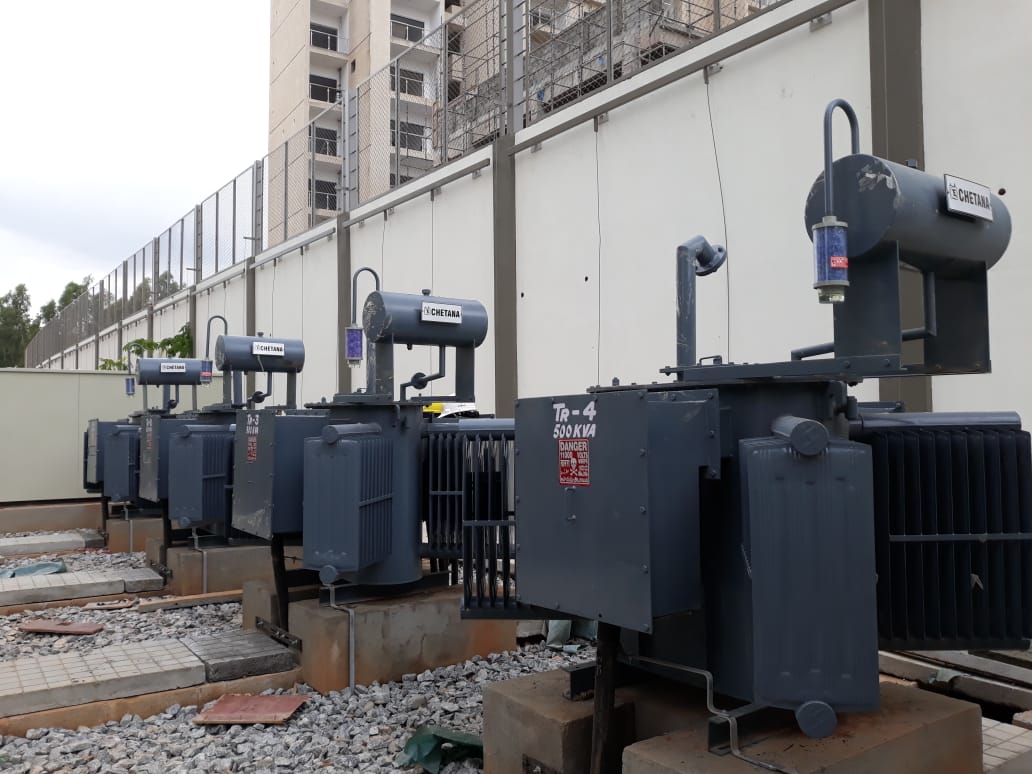
Utility Substation Commissioning Site
Navigating decarbonization, smart grid integration, and total lifecycle economics in electrical transformer acquisition.
Modern step-down transformers are transitioning from static assets to intelligent nodes. Advanced procurements now specify integrated Dissolved Gas Analysis (DGA) sensors, fiber-optic winding temperature probes, and online moisture-in-oil monitors connected via IEC 61850 protocol. This enables predictive maintenance, eliminating catastrophic failures and extending operational life beyond 35 years.
Environmental compliance and fire safety mandates are driving a rapid transition away from conventional mineral oils. Natural ester fluids (derived from vegetable oils) offer a flashpoint above 300°C (K-class dielectric) and are 99% biodegradable within 28 days. Selecting ester-filled step-down units reduces insurance premiums for indoor or densely populated urban installations.
With global energy regulations tightening (such as EU EcoDesign Tier 2 and BEE Star Ratings in India), amorphous alloy core step-down transformers are gaining traction. Amorphous metals lack a crystalline lattice, reducing core losses by up to 70% to 80% compared to conventional silicon steel, making them the preferred choice for renewable energy step-down applications.
A rigorous verification framework for B2B procurement managers and EPC project directors.
Technical answers to common questions raised by electrical consultants and industrial buyers.
Consult directly with Chetan Electric's senior magnetics engineering team for tailored step-down transformer designs, short lead times, CPRI compliant specifications, and competitive OEM factory pricing.