
Direct Factory Supply | Certified ISO 9001, CPRI Type-Tested, Compliant with IEC/IS Standards
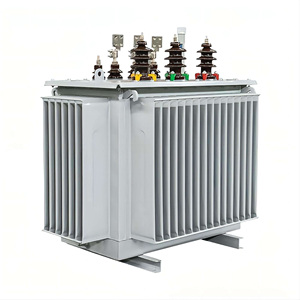
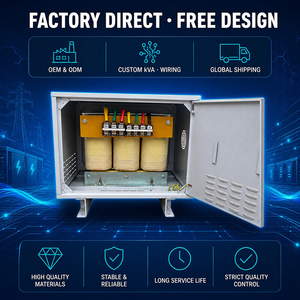
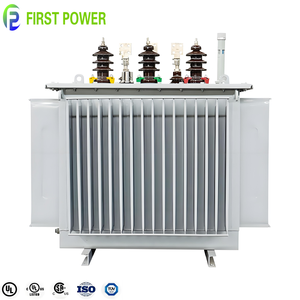
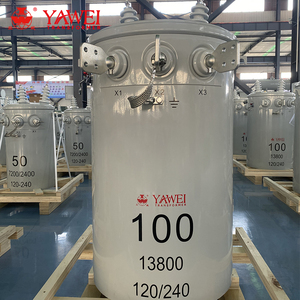
Established with over three decades of core manufacturing expertise, our OEM manufacturing facility represents the pinnacle of electrical isolation, step-down voltage regulation, and magnetic flux optimization. In complex industrial environments—ranging from automated CNC machine tool panels, motor control centers (MCC), and robotic assembly lines to high-voltage power sub-stations—control transformers and step-down distribution units serve as the fundamental backbone for electrical stability.
As an ISO 9001 certified manufacturer, our design architecture strictly adheres to international standards including IEC 61558-2-2, IEC 60076, IS 2026, IS 1180, and IEEE C57. Every transformer constructed in our facility undergoes rigorous impulse withstand testing, partial discharge analysis, short-circuit withstand evaluation, and temperature rise verification at accredited testing institutes such as the Central Power Research Institute (CPRI).
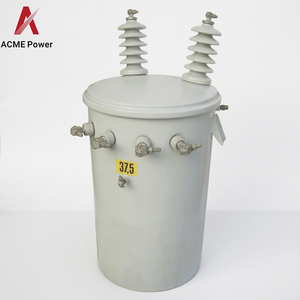
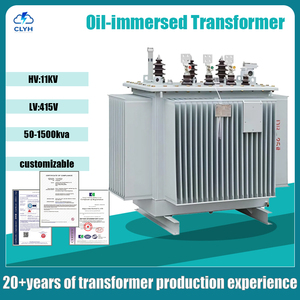
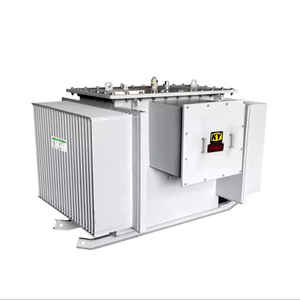
Whether sourcing single-phase control units, oil-immersed ONAN/ONAF distribution transformers up to 5000 KVA 33kV, or dry-type cast resin transformers, global procurement engineering teams rely on our specialized copper/aluminum winding configurations, high-permeability cold-rolled grain-oriented (CRGO) silicon steel cores, and advanced vacuum pressure impregnation (VPI) technologies.
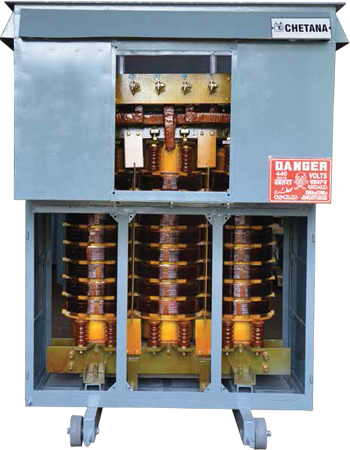
To assist industrial buyers, systems integrators, and electrical contractors in selecting the precise transformer topology for their panel or plant infrastructure, the comparative matrix below outlines key engineering metrics across primary transformer categories:
| Electrical Parameter | Industrial Control Transformers | Dry-Type Distribution Units | Oil-Immersed Power Transformers |
|---|---|---|---|
| Typical KVA Rating | 50 VA – 10 KVA | 15 KVA – 2,500 KVA | 50 KVA – 5,000+ KVA |
| Voltage Class | Up to 1,000 V (Low Voltage) | Up to 11 kV / 33 kV | 11 kV, 20 kV, 33 kV to 110 kV |
| Inrush VA Tolerance | High (300%–800% for contactor pickup) | Standard Continuous Load | Standard Continuous Load |
| Cooling Topology | AN (Air Natural) / Dry Type | AN / AF (Air Forced) / Cast Resin | ONAN (Oil Natural) / ONAF |
| Insulation Thermal Class | Class B (130°C), Class F (155°C), Class H (180°C) | Class F (155°C), Class H (180°C) | Class A (105°C oil), Synthetic Ester |
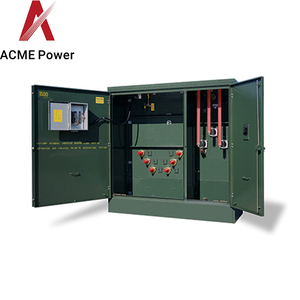
| In-Cabinet Footprint | Ultra-Compact, DIN-Rail / Base Mount | Medium Enclosure (IP21 to IP54) | Outdoor Pad-Mounted / Pole-Mounted |
| Primary Application | Relays, Solenoids, PLC I/O, Drives | Commercial Buildings, Indoor Substations | Grid Distribution, Heavy Industry, Solar/Wind |
Why Global EPCs & B2B Procurement Buyers Partner With Our China Control Transformer Manufacturing Hub
Utilizing premium cold-rolled grain-oriented silicon steel laminations with step-lap miter joints to drastically minimize core loss (no-load loss) and magnetizing current, reducing operational thermal dissipation.
Advanced Vacuum Pressure Impregnation (VPI) utilizing Class H resin ensures void-free dielectric strength, superior moisture resistance, high mechanical stiffness against electromagnetic short-circuit forces.
Engineered specifically to supply momentary high-inrush currents demanded by electromagnetic control devices (solenoids, contactors, starters) while maintaining secondary output voltage stability within ±2.5%.
Custom secondary and primary tap configurations (e.g., 208V/230V/460V/480V to 110V/120V/24V) allowing seamless cross-border equipment deployment across North American, European, and Latin American grid standards.
Every batch undergoes stringent routine testing: winding resistance, voltage ratio, phase displacement, short-circuit impedance, load loss, dielectric withstand (power frequency & lightning impulse), and sound level checks.
Full CAD/FEA thermal design support for OEM panel builders. Custom enclosures (IP20 to IP65, NEMA 3R/4X stainless steel), special terminal block positioning, and integrated fuse protection options available.
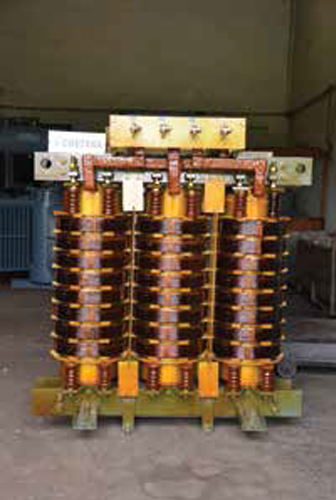
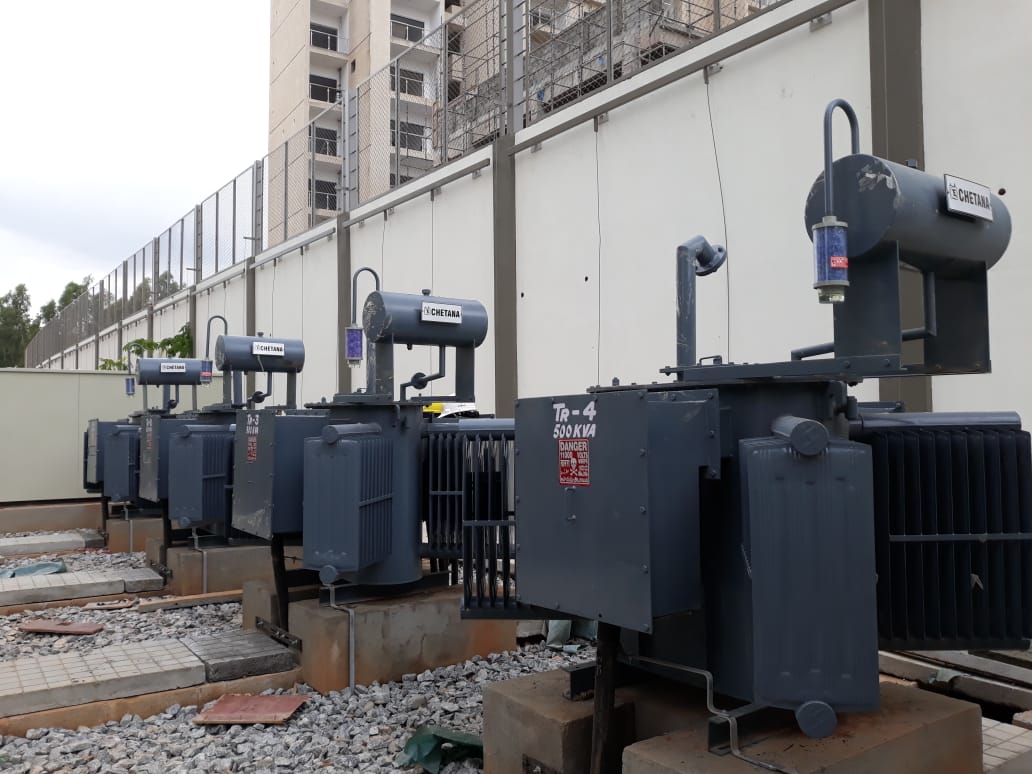
Our control transformers and heavy-duty power distribution units are actively deployed in high-stress operational environments across over 40 countries. Key sector applications include:
As the global power sector accelerates toward decarbonization, electrification, and Industry 4.0 automation, the technical requirements for control and distribution transformers are evolving rapidly. B2B procurement managers and system engineering teams must align their supply chains with the following strategic trends:
To meet strict international energy efficiency directives (such as EU EcoDesign Stage 2 and US DOE 2016 standards), manufacturers are increasingly shifting to amorphous metal alloy cores and ultra-thin high-grade CRGO steel. Amorphous cores reduce no-load losses by up to 70-80% compared to traditional silicon steel, drastically cutting lifetime operational costs (TCO).
For oil-immersed transformers installed in environmentally sensitive areas, urban centers, or offshore platforms, natural and synthetic ester fluids are replacing traditional mineral oils. Ester fluids offer high fire points (>300°C, Class K insulation rating) and complete non-toxic biodegradability, significantly mitigating environmental liability.
Modern industrial control and power transformers are transforming into intelligent edge nodes. Integrated micro-sensors continuously measure winding temperature, dissolved gas analysis (DGA in oil units), partial discharge activity, and vibration. This data feeds into cloud-based predictive maintenance systems via Modbus/IEC 61850 protocols, preventing unscheduled downtime.
With the proliferation of non-linear loads—such as variable frequency drives (VFDs), EV fast-charging stations, and solar grid-tie inverters—control transformers must handle high harmonic currents without overheating. K-Factor rated transformers (K-4, K-13, K-20) engineered with electrostatic shielding between primary and secondary windings are becoming mandatory in contract specifications.
Expert Engineering Answers to Essential Questions Regarding Transformer Sourcing, Specifications, and Compliance
A control transformer (also known as an industrial control transformer) is specifically designed for industrial control circuits where high instantaneous inrush currents (VA) occur when electromagnetic components like contactors, solenoids, and relays energize. Unlike standard power transformers optimized solely for steady-state continuous thermal loads, control transformers maintain tight voltage regulation (minimal output voltage drop) during peak transient inrush conditions, preventing control circuit dropouts.
Sizing requires calculating two key values: Sealed VA (continuous loading) and Inrush VA (peak transient load). First, sum the continuous operating VA of all devices energized simultaneously. Second, add the maximum inrush VA of the largest device (e.g., the largest magnetic starter coil) to the total sealed VA of all other energized components. Finally, refer to the manufacturer's regulation data table to select a transformer rating that delivers the required Inrush VA at 90% or 95% secondary voltage regulation.
For global industrial compliance, ensure the factory holds ISO 9001:2015 quality management accreditation. Product-level certifications should include CE marking (for EU Low Voltage Directive), UL/cUL listing or component recognition (for North America, UL 5085 / UL 1561), and third-party type test reports from recognized ILAC-accredited laboratories (such as CPRI, KEMA, or TUV) covering short-circuit performance, dielectric breakdown, and temperature rise tests according to IEC 61558 or IEC 60076 standards.
ONAN (Oil Natural Air Natural) transformers utilize dielectric oil for both cooling and electrical insulation, offering higher dielectric strength, superior heat dissipation, and higher capacity limits (up to 5000 KVA and 33kV+), making them ideal for outdoor substations and heavy industrial distribution. Dry-type cast resin transformers utilize vacuum pressure impregnated epoxy resin, offering maximum fire safety (zero risk of oil leakage or fire), low maintenance, and are preferred for high-rise indoor installations, hospitals, underground facilities, and clean industrial environments.
Dyn11 is widely specified for general power and industrial distribution networks. The delta (D) primary winding traps third-harmonic currents, preventing harmonic distortion from propagating back to the primary grid. Furthermore, the neutral point on the secondary star (y) connection can handle 100% unbalanced single-phase loads without causing neutral point displacement, whereas Yyn0 is limited to light, balanced neutral loading.
Yes. Custom engineering is a core capability of top Chinese transformer factories. Primary windings can be designed with multiple taps (e.g., 480V/460V/440V/240V/208V) with dual secondary outputs (e.g., 120V/24V) to allow system integrators to standardize on a single transformer design for worldwide machinery exports, regardless of local grid frequency (50Hz vs 60Hz) or line voltage.
Standard catalog control transformers generally carry a 2 to 3-week production lead time, while large custom dry-type or oil-immersed power transformers (up to 5000 KVA) typically require 4 to 6 weeks. Factory Acceptance Testing (FAT) includes 100% routine tests: winding resistance measurement, voltage ratio & phase vector check, short-circuit impedance & load loss, no-load loss & current, separate-source AC withstand voltage, and induced overvoltage test before packing in export-grade seaworthy wooden cases.
Direct factory pricing, custom CAD electrical engineering, full compliance with international standards, and global logistics support. Request your official technical proposal today.