
Certified casting resin formulations engineered for high dielectric strength, superior thermal dissipation, structural casting, and precision foundry applications across India.
India’s rapid industrial expansion—driven by the flagship "Make in India" initiative, the National Infrastructure Pipeline (NIP), and a major transformation across power distribution and automotive manufacturing—has catalyzed unprecedented demand for advanced polymer matrix materials. Among these, Cast Resin formulations stand at the core of heavy electrical isolation, precision metal casting foundries, automotive OEM prototyping, and industrial water purification infrastructure.
As a leading supplier and exporter tailored for the Indian subcontinent, our technical portfolio addresses the unique thermal, mechanical, and environmental stresses present in tropical operating conditions. From humidity-resistant polyurethane vacuum casting resins to high-temperature Class H epoxy encapsulants compliant with IS 11171 and IS 2026, our solutions deliver verified zero-maintenance endurance and superior dielectric reliability.
When procurement managers, electrical design engineers, and foundry directors across major Indian industrial clusters—such as Bengaluru, Chennai, Pune, Ahmedabad, and the National Capital Region (NCR)—search for premium cast resin suppliers, their intent goes far beyond simple product sourcing. They require robust chemical stability, strict compliance with Bureau of Indian Standards (BIS), high heat deflection temperatures (HDT), and proven performance under extreme ambient heat (>45°C) and seasonal monsoon humidity.
Selecting the appropriate cast resin chemistry requires balancing mechanical toughness, dielectric breakdown voltage, chemical resistance, and curing exotherm. Below is an engineering overview of the primary polymer systems utilized throughout Indian manufacturing facilities:
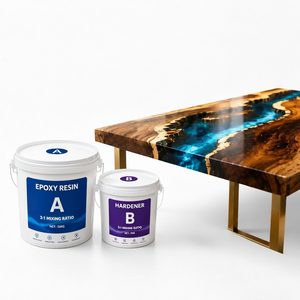
Epoxy cast resins based on Bisphenol-A or cycloaliphatic structures offer exceptional dimensional stability and low shrinkage (<0.5%). Formulated with modified amine hardeners, these low-viscosity 3:1 systems allow deep pouring without air entrapment. In heavy electrical equipment, epoxy formulations are reinforced with silica flour or trihydrate alumina (ATH) to achieve self-extinguishing flame retardancy and resistance to partial discharge.
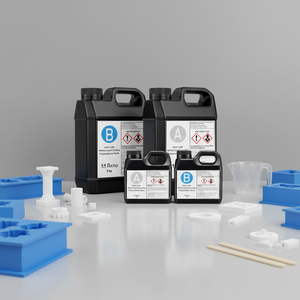
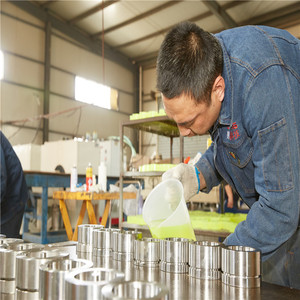
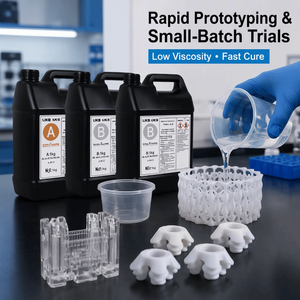
Polyurethane casting resins provide versatility ranging from flexible elastomers to rigid 75D engineering plastics. Featuring rapid gel times and ultra-low viscosity, two-component PU systems excel in silicon mold vacuum casting, scale modeling, and industrial prototype tooling. Heat-resistant PU resins maintain mechanical integrity under sustained thermal cycles up to 130°C.
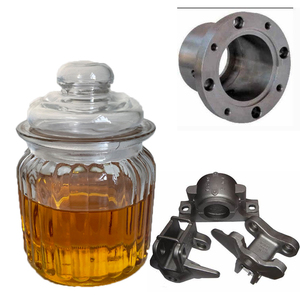
Acid-catalyzed furan resins derived from furfuryl alcohol serve as the binding matrix in modern no-bake sand casting. They impart high cold/hot tensile strength to molds while ensuring rapid bench-life control. With minimal free-formaldehyde content, modern furan resins significantly improve workplace safety in Indian foundries while facilitating sand reclamation rates exceeding 90%.
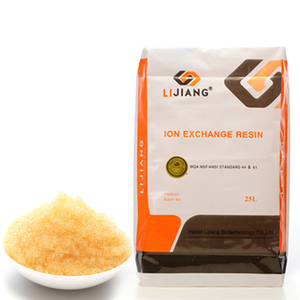
Sulfonated polystyrene copolymer beads operating in the sodium cycle function as effective ion exchange media. Designed for potable water softening and industrial boiler conditioning, these food-grade resin beads rapidly swap calcium ($Ca^{2+}$) and magnesium ($Mg^{2+}$) ions for sodium ($Na^+$), preventing scale accumulation in high-pressure steam turbines and cooling towers.
The matrix below presents typical engineering properties evaluated under standard testing conditions (25°C, 50% RH).
| Resin Polymer Category | Typical Viscosity (mPa·s) | Shore Hardness | Dielectric Strength (kV/mm) | Thermal Class Rating | Primary Indian Industry Application |
|---|---|---|---|---|---|
| Epoxy Deep Pouring (3:1) | 200 – 450 | 80D – 85D | 22 – 26 | Class F (155°C) / Class H (180°C) | Dry-Type Transformers, Busbars, Art Casting |
| Polyurethane Rigid (1:1 / 75D) | 60 – 150 | 75D – 80D | 18 – 22 | Class B (130°C) | Automotive Prototypes, Figurines, Tooling |
| Furan Foundry Resin | 15 – 50 | N/A (Binder) | N/A | Up to 1600°C (Molten Metal) | No-Bake Sand Casting, Heavy Machinery Blocks |
| Ion Exchange Cation Resin | Beads (0.3–1.2mm) | N/A (Spherical) | N/A | Up to 120°C | Boiler Feed Water Softening, ZLD Plants |
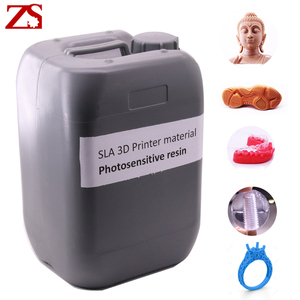
| 3D Printing UV Resin | 150 – 300 | 84D – 88D | 15 – 20 | Class A (105°C) | Jewelry Master Molds, Precision Dental & Tech |
Our cast resin formulations are customized to resolve geographical, climate, and process-specific challenges encountered in Indian manufacturing ecosystems:
In densely populated metro cities like Mumbai, Delhi-NCR, and Bengaluru, cast resin dry-type transformers eliminate transformer oil leakage and fire risks. Formulated to comply with IS 11171 standards, our epoxy resins encapsulate high-voltage coils under vacuum pressure, providing total resistance to moisture ingress during heavy monsoon seasons.
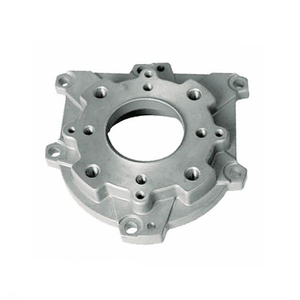
Automotive OEMs in Chennai and Pune rely on our custom high-pressure aluminum die-casting resin patterns and high-temperature PU vacuum casting resins to manufacture engine blocks, gear housings, and EV battery enclosure prototypes with micron-level tolerances.
Foundries across Gujarat, Kolhapur, and Coimbatore use our Furan Resin (CAS No. 25212-86-6) systems to mold complex machine frames and pump casings. High reactivity at low catalyst additions lowers operating costs while maintaining mold rigidity.
Chemical plants and textile dyeing hubs in Tirupur and Surat employ our food-grade cation ion exchange resin beads to eliminate water hardness, ensuring zero scale buildup in steam boilers and ultra-pure process water consistency.
As an established industrial partner (synthesizing the engineering legacy of Chetan Electric Pvt. Ltd., founded in 1994 in Koramangala and Veerasandra Industrial Area, Bengaluru), we maintain rigid control over polymer synthesis, vacuum degassing, and dielectric testing.
Our insulation systems and cast resin encapsulation technologies are rigorously type-tested at the prestigious Central Power Research Institute (CPRI), Bangalore, fully complying with IS 2026, IS 1180, and IS 11171 standards. Over 600 global enterprise clients trust our commitment to zero-defect manufacturing and prompt technical support.
Addressing key questions regarding GST compliance, ambient humidity curing, BIS/CPRI certification standards, and inland logistics.
Polyurethane prepolymers contain active isocyanate (-NCO) groups that react with atmospheric moisture to form carbon dioxide gas, which can cause micro-foaming or bubbles in uncured castings. In coastal regions like Chennai, Mumbai, or Kolkata, we recommend vacuum degassing prior to pouring and utilizing moisture-scavenger additives (such as molecular sieve pastes) or pouring under a dry nitrogen blanket.
Cast resin dry-type transformers and bushings in India must conform to IS 11171 (specification for dry-type power transformers) and IS 2026. Key criteria include dielectric impulse withstand tests, partial discharge limits (<10 pC), and thermal insulation class verification (Class F 155°C or Class H 180°C) conducted at accredited facilities like CPRI.
Standard resin formulations and ion exchange beads are dispatched within 24 to 48 hours from our central warehousing hubs in Bengaluru and western India. Custom-synthesized epoxy formulations or OEM die-cast aluminum components are produced under strict ISO 9001 quality controls with typical lead times of 2 to 3 weeks, inclusive of full factory acceptance testing (FAT).
Our low-viscosity Furan Resin (CAS No. 25212-86-6) yields a high-strength thermosetting matrix at binder additions as low as 0.8% – 1.2% by sand weight. Because the resin breaks down cleanly upon exposure to molten steel pouring temperatures, mechanical sand shakeout yields low residual loss, enabling foundries to reclaim up to 92% of silica sand.
Industrial epoxy and polyurethane casting resins typically fall under HSN Code 3907 or 3909, attracting an 18% Goods and Services Tax (GST) rate. Full tax invoices with GSTIN details are issued with every shipment, allowing commercial buyers to claim complete Input Tax Credit (ITC).
Yes. Our food-grade cation ion exchange resin beads undergo stringent extraction washing to eliminate monomer leachables, complying with global food contact directives and BIS drinking water standards. They are certified free of toxic plasticizers, heavy metals, and organic contaminants.
Whether you require high-voltage epoxy encapsulation systems, fast-curing polyurethane resins, furan binders, or custom aluminum engine casting parts—our engineering team delivers certified solutions tailored to your technical specifications.